Rise of Renewable Synergies: What the Next 10 Years Will Look Like?

Why “synergy” matters now

Clean technologies don’t win in silos  anymore. Solar plus batteries beats solar alone. EVs plus smart chargers beat EVs alone. Heat pumps plus rooftop PV slash bills more than either on its own. Over the next decade, these combinations—not single technologies—will drive the biggest gains in cost, reliability, and emissions. Here’s a simple tour of the most important pairings about Rise of Renewable Synergies, what the data says, and how markets are likely to evolve.

The backdrop: Demand up, costs down

  • Electricity’s role is expanding. The IEA projects electricity’s share of final energy use rises from ~20% today to 26–29% by 2035, driven by EVs, heat pumps, and data centers. More “things” will run on electrons, not molecules.
  • Renewables are scaling at record pace. In 2024 the world added ~585 GW of renewables, with solar ~452 GW and wind ~113 GW; renewables made up 92.5% of new power capacity.
  • Storage and batteries keep getting cheaper. Global Li-ion pack prices fell to $115/kWh in 2024 (down 20% year-over-year), unlocking bigger storage projects across more countries.
  • EV momentum continues. Electric car sales reached ~17 million in 2024, up 25% from 2023, with China leading.  

Below are trends that set the stage for powerful “renewable synergies.”

Solar + Storage: The new baseload for sunny hours

What’s changing: Solar gives the cheapest daytime electrons in much of the world. Pair it with batteries, and you shift solar into the evening peak, cut curtailment, and firm output.

Why it matters:

  • Batteries now frequently clear grid tenders because capex is falling and project sizes are scaling into the multi-GWh range across the US, China, Australia, the UK, Chile, South Africa and more. 
  • Every $/kWh drop increases the number of viable use-cases—from peak shaving to fast frequency response—making solar-plus-storage (S+S) a default design for new utility projects. Expect S+S to become the “standard” configuration in high-solar regions by the late 2020s. (Inference based on the cost and project pipeline trends.)

What to watch (2025–2035) About Rise of Renewable Synergies:

  • Four- to eight-hour batteries are becoming commonplace in markets with evening peaks.
  • Co-location rules that share grid interconnections, cutting soft costs.

Wind + Storage: Smoothing the gusts

What’s changing: Wind often peaks at night; batteries can soak up nighttime surpluses and support morning ramps.

Why it matters:

  • In regions with strong wind (US plains, North Sea, parts of India and Latin America), pairing storage can cut balancing costs and help wind compete in capacity markets.
  • Longer-duration storage (8–24h) and emerging chemistries will help manage multi-hour lulls, complementing short-duration lithium. (Forward-looking inference consistent with storage expansion data.)

Rooftop Solar + Heat Pumps: The home energy bundle

What’s changing: Heat pumps electrify heating and cooling; rooftop solar lowers the operating cost.

Why it matters:

  • Even with a dip in European heat pump sales in 2024 due to cheaper gas and policy uncertainty, the long-term logic is intact: pairing PV with heat pumps shields households from price swings and cuts emissions. Expect a rebound as policies stabilize and building retrofits accelerate.

What to watch:

  • Smarter controls that pre-heat or pre-cool when solar output is high.
  • Utility tariffs that reward flexible heating loads.

EVs + FFVs: Cars as Clean Energy Allies

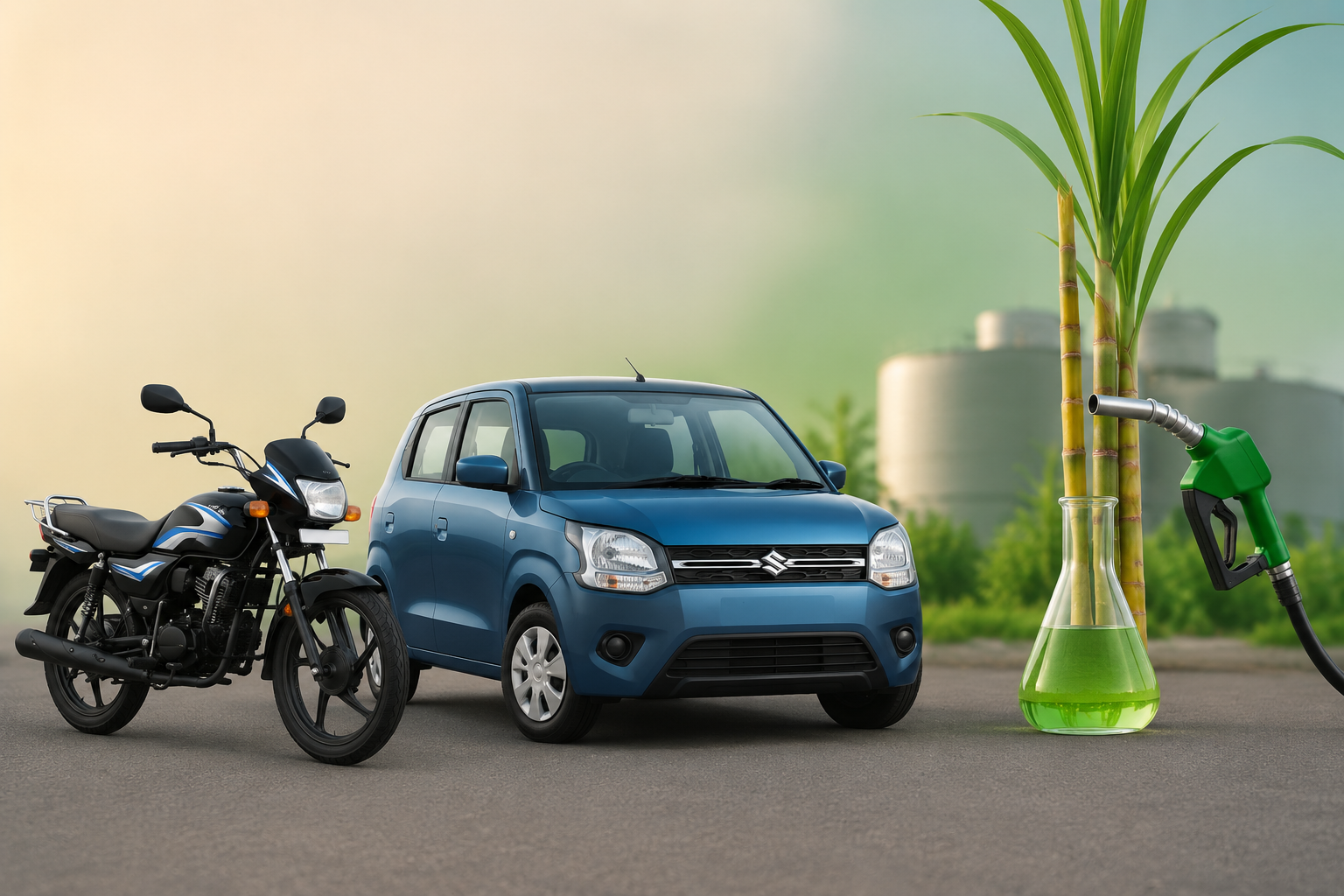
What’s changing: Vehicles are no longer just about mobility—they’re becoming central to the clean energy transition. EVs act as flexible batteries on wheels, while FFVs (Flex-Fuel Vehicles) provide a low-carbon option where electrification is slower to spread.

Why it matters:

  • With ~17 million EVs sold in 2024, smart charging can shift demand to cheaper, cleaner hours.
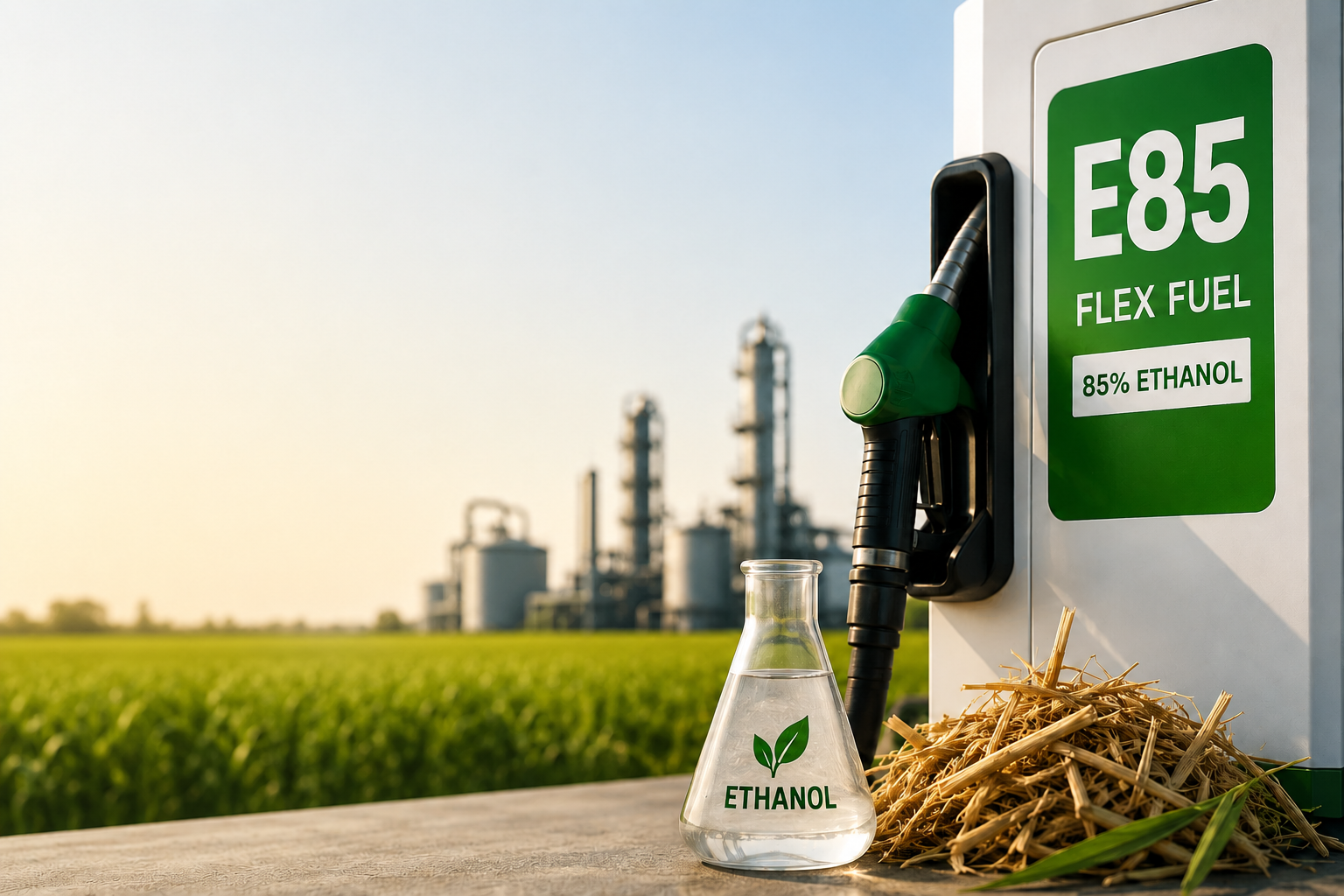
  • At the same time, FFVs running on 2G Ethanol blends (made from biomass) cut lifecycle emissions, reduce oil imports, and support rural economies through biofuel demand.
  • Together, EVs and FFVs offer a dual-pathway to clean transport—one electrified, one biofuel-powered—ensuring broader adoption across diverse markets.

What to watch:

  • V2G standards enabling EV fleets (buses, vans) to act as grid resources.
  • Policy support for higher ethanol blending so FFVs can scale quickly.
  • Workplace charging and ethanol fueling stations expand in parallel, giving drivers more clean choices.

Bioenergy + Electrification: Filling gaps you can’t easily electrify

What’s changing: Sustainable biofuels and bio-based feedstocks complement electrification in aviation, shipping, and heavy industry.

Why it matters:

  • Where direct electrification is hard, biofuels, biogas, and e-fuels provide drop-in options while hydrogen infrastructure matures. Expect tighter sustainability rules, more waste- and residue-based supply, and blending mandates targeting aviation and marine sectors. (Generalized view consistent with IEA and IRENA transition pathways.)

Five Big Synergy Playbooks (2025–2035) 

Clean Firm Power: Biofuels + Renewables

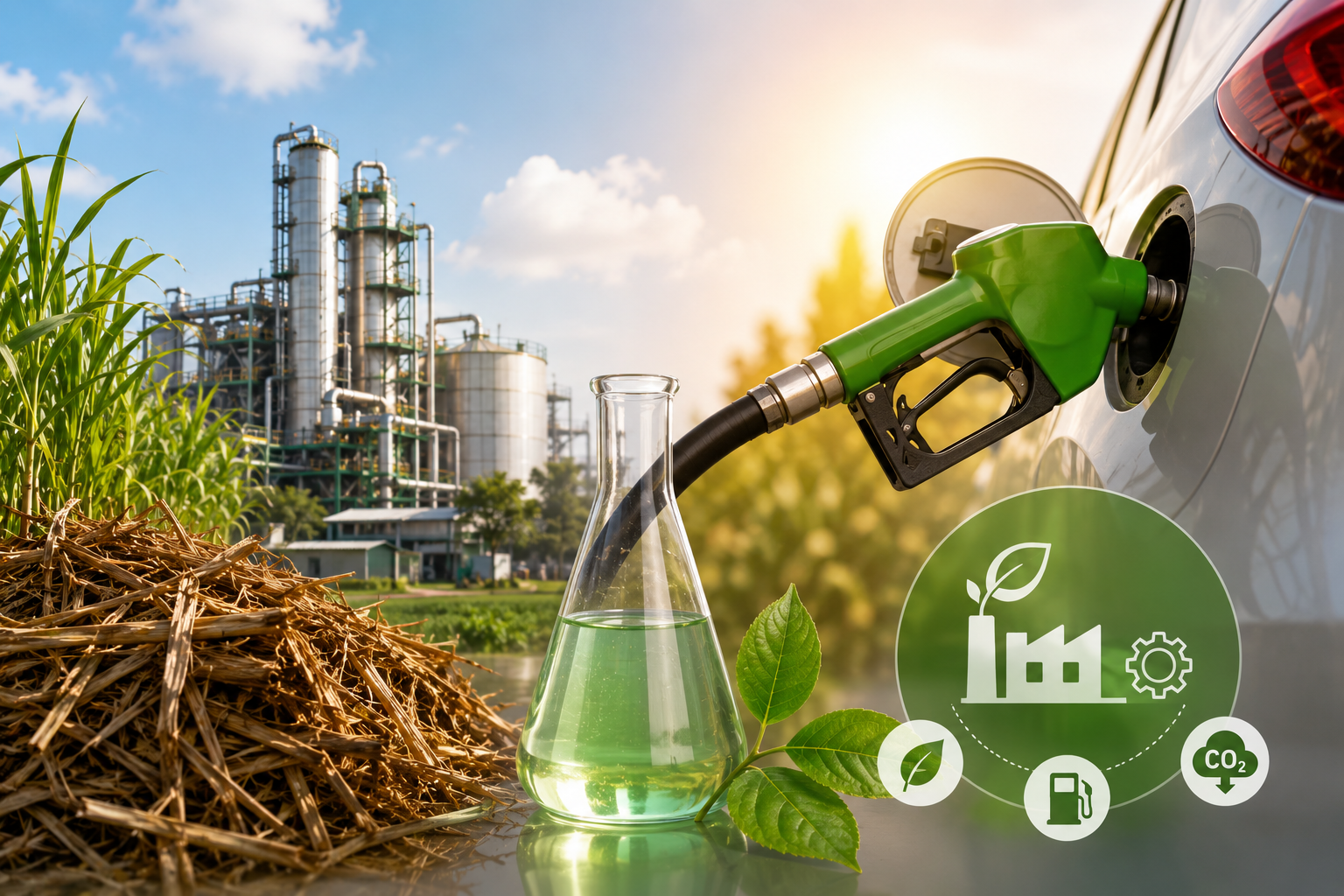
  • Solar and wind supply cheap power, while biofuel plants from Khaitan Bio Energy ensure round-the-clock reliability.
  • Result: Stable, low-cost clean energy even when sun and wind drop.

Community Energy Hubs

  • Rooftop solar and batteries keep homes resilient, while local biofuel supply chains add backup and reduce dependence on fossil fuels.
  • Result: Stronger rural economies and reliable community power.

Green Mobility with Biofuels + EVs

  • EV fleets charge on renewables, but bioethanol and fuel long-haul transport and hard-to-electrify vehicles.
  • Result: Cleaner, cheaper mobility across both short and long distances.

Industrial Decarbonization

  • Factories use a mix of solar/wind PPAs and biofuels for heat and power, with hydrogen emerging later.
  • Result: Industries cut emissions faster while securing affordable energy.

Buildings of the Future

  • Homes run on PV + heat pumps, with bio-based fuels covering peak or backup needs.
  • Result: Lower bills, comfort, and resilience for households.

Risks and reality checks

  • Policy whiplash: Incentives and rules can change, temporarily slowing adoption (as seen with EU heat pumps in 2024). Long-term economics still favor electrification + renewables, but stable frameworks matter. 
  • Grid bottlenecks: Transmission delays can strand cheap projects. Expect a greater push for grid-enhancing technologies and streamlined interconnection.
  • Widespread adoption for 2G Ethanol: Currently most of the ethanol production is happening from Maize, sugarcane and rice, which directly affects food availability for the population. Adopting 2G Ethanol made using biomass not only does not eat into the food chain but also helps curb pollution by utilising rice straw to make ethanol which otherwise is burnt in open fields, leading to harmful fumes. Government needs to support policies for mass adoption of such technologies.

What “good” looks like by 2035

  • Clean additions dominate: Renewable capacity keeps growing, but with a stronger mix—solar, wind, storage, and advanced biofuel power plants. Khaitan Bio Energy helps ensure that even agricultural residues and waste streams are turned into clean power, reducing both emissions and stubble burning.
  • Round-the-clock portfolios: Utilities and corporations design energy packages that don’t just rely on the sun and wind. Biofuel-based power plants provide firm, dispatchable energy, complementing solar + wind + batteries. This ensures industries, hospitals, and AI-driven data centers get clean electricity even when the grid is under stress.
  • Electrified living: EVs, rooftop PVs, heat pumps, and household batteries are standard, but the backbone of reliability comes from a steady supply of green fuels. By integrating biofuels into regional grids, companies like Khaitan BioEnergy make electrified lifestyles more affordable and stable.
  • Early hydrogen and biofuel wins: Alongside green hydrogen pilots, bioethanol plants scale up to commercial levels. Refineries, fertilizers, and steel plants begin blending and switching to these green fuels, supported by Khaitan Bio Energy’s investments in 2G ethanol from crop residues. This not only cuts industrial emissions but also builds rural economies.

Bottom line About Rise of Renewable Synergies

The next decade is about connecting technologies: pairing renewables with storage, vehicles with grids, buildings with smart controls, and industry with green molecules. The economics are moving fast in favor of these combinations: record renewable additions, falling battery costs, strong EV sales, and surging corporate demand are all pointing the same way. If policy can keep pace—especially on grids and permitting Renewable Synergies— will do the heavy lifting for a cheaper, cleaner, and more reliable energy system by 2035. 

Flex Fuel on the Fast Track: How New CAFE Rules Are Boosting Ethanol-Compatible Cars by 2027

India’s transport future is changing fast. In the last two years the country has moved from pilot projects and local experiments to nation-scale action on ethanol blending and alternative fuels. That shift is now meeting a second, powerful push from vehicle regulation: the next version of India’s Corporate Average Fuel Efficiency rules (often called CAFE-3) is expected to recognise flex-fuel engines alongside electric vehicles. That regulatory change makes it much more attractive for automakers to build cars that can run safely on petrol mixed with higher shares of ethanol . And it could reshape vehicle design, fuel markets, and farming economics across the country. 

Why flex fuel matters right now


Ethanol blending has mushroomed into a national priority. The government’s Ethanol Blending with Petrol (EBP) programme, backed by policy and financial incentives. This pushed the blend target to 20% (E20) well ahead of schedule. By early 2025 India was already reporting blend levels close to or above 18–19% and aiming to hit or exceed 20% for the ethanol supply year. That means more pumps, more logistics, and more pressure on vehicle makers . This is to ensure cars can run on E20 without problems. A car that is “flex-fuel” can operate on a range of blends. From traditional petrol up to much higher ethanol mixes — allowing drivers to switch fuels without engine damage or performance loss.

What CAFE-3 is likely to change


CAFE rules set fleet-average emissions (or fuel efficiency) targets for manufacturers. Past iterations in India leaned heavily toward rewarding electric vehicles. The upcoming CAFE-3 is being talked about as more balanced. Not only will it keep pushing EVs, but it will also offer regulatory benefits to flex-fuel cars by allowing a “biogenic derogation” or other favourable accounting for emissions when biofuels are used. In plain terms, that lowers the effective emissions score for vehicles that run on biofuel blends. Thus making it cheaper for manufacturers to meet fleet targets if they add flex-fuel models. Automotive companies notice incentives like this quickly; when regulators reward a technology, product pipelines and investment plans shift fast.

How automakers are responding


Automakers in India are already moving. Major players — including legacy OEMs and newer manufacturers. Also they have stepped up development of flex-fuel powertrains, testing materials, fuel systems, and software calibration to cope with E20 and higher blends. Some are exploring flex-fuel versions of popular models. While others are investing in research partnerships and supplier upgrades to ensure parts resist ethanol’s different chemical properties. The carrot of CAFE-3 makes this work commercially sensible. A flex-fuel model could earn a manufacturer regulatory credits that count toward fleet compliance in 2027 and beyond. Reports show design pipelines and test programs accelerating in the past few months following official signals from transport ministry leaders.

Supply side: where will Ethanol will come from


Meeting higher blending targets depends on feedstock and capacity. India has broadened feedstocks beyond just sugarcane molasses to include B-heavy molasses, damaged or surplus rice, corn, and other grains when needed. For 2024–25 the USDA and other official tracking estimated India’s blending rate around 19.3 percent and noted that the government authorised large quantities of Food Corporation of India rice for ethanol to cover shortfalls from sugarcane. Thus diverting surplus foodgrain into fuel is a major, sometimes controversial move . But it shows how policy tools and market signals are being used to expand ethanol availability quickly. So practical outcome is that more ethanol will be available at more pumps. And so consumers can choose E20 without hunting for rare outlets. 

Benefits

For drivers

  • More choice at the fuel pump.
  • Cleaner combustion than pure petrol.

Environmental benefits

  • Ethanol burns cleaner, cutting some pollutants.
  • Modest reduction in carbon intensity if produced sustainably.

For cities

  • Lower tailpipe emissions of carbon monoxide.
  • Fewer particulate precursors → better air quality.

        For the climate

  • Ethanol from residues or sustainable crops lowers lifecycle greenhouse gases.
  • Second-generation (2G) ethanol from agricultural waste avoids using food crops.

Why it’s supported

  • Climate benefits attract funding from government and global partners.
  • Support for second-gen projects and biofuel production clusters.

Concerns and trade-offs to watch


The shift is not risk-free. Using foodgrains for fuel can raise food security and price questions if not carefully managed. Ethanol production facilities have environmental impacts also. Distilleries can be pollution-intensive if wastewater and emissions aren’t controlled. Also some experts caution the EBP programme’s benefits depend on good feedstock choices and pollution controls. Similarly technical concerns also exist: older vehicles not designed for E20 could see diminished seals or fuel system issues unless manufacturers certify compatibility or consumers switch to flex-fuel models. That is why policy signals from the transport ministry and assurances from the petroleum ministry matters. Regulators must coordinate to ensure fuel standards, vehicle compatibility, and consumer information are aligned.

What CAFE-3 incentives mean for rural economies

  • If flex-fuel cars become more common, ethanol demand will increase, directly benefiting farmers.
  • Surplus rice can be used for ethanol production, creating new markets for farmers.
  • Also sugar mills diverting sugarcane to ethanol will receive more payments, supporting the sugar industry.
  • Incentives for growing energy crops could improve rural incomes across many regions.
  • The government already offers higher prices for corn-based ethanol to encourage production.
  • Viability Gap Funding is available for 2G ethanol projects that turn agricultural residues into fuel.
  • This could create new value chains, such as:
    • Small depots collecting crop stubble and residues
    • Local distilleries processing ethanol
    • New logistics and transport jobs
  • If managed well, farmers who currently burn residues could earn extra income instead.
  • Social benefits will depend on transparent supply chains and ensuring food crops are not replaced by fuel crops.

What consumers should know today


Check your vehicle’s compatibility. Many new cars produced after 2023 are being built with E20 in mind. But older models or imports might not be compatible. Also follow the official guidance from manufacturers and fuel stations. The government has also clarified concerns that E20 will dramatically kill fuel efficiency or damage most modern engines — official statements and testing suggest impacts are manageable when standards are followed. Practical consumer steps include monitoring the label at the pump, checking manufacturer advice, and being alert to announcements about flex-fuel model launches from car makers.


                                                A quick way to see the scale of change is to think of the fuel pool as a pie. Projections from official sources put ethanol’s share of the petrol pool around 19.3% for 2025 — roughly one slice in five is now ethanol by volume. That is a huge shift compared with a few years ago when ethanol’s share was in single digits. Industry moves and likely timelines.


Also expect to see more announcements from vehicle makers about flex-fuel models between now and 2027. Pilot runs, certification tests, and the first small-series launches may happen as early as 2025–26, followed by wider rollouts if CAFE-3 final rules arrive as signalled for April 2027. At the same time, expect infrastructure work: more retail outlets stocking E20, upgrades in storage tanks and dispenser materials, and supply chain tweaks to avoid cross-contamination with unblended petrol. Investors in automotive components, pumps, and ethanol logistics will watch policy timelines closely because regulatory credits are what will turn R&D investments into near-term profit. 

Global comparisons and lessons


Brazil is the classic example of a country that built a flex-fuel ecosystem and reaped both energy security and rural benefits. India is not copying Brazil exactly, but it is learning from that model while adding its own priorities — a heavy focus on second-generation feedstocks, careful targeting of surplus grains, and international partnerships to import best practices. The global takeaway is simple: policy clarity plus predictable incentives unlock private investment. If CAFE-3 gives clear, long-term recognition to flex fuels, India could accelerate a transition that balances EV growth with biofuel options in a complementary way. 

What success looks like


Success would be a transport sector where consumers enjoy choice, emissions fall, farmers gain new markets for residues and surplus crops, and distilleries operate cleanly and transparently. So it would mean refurbished supply chains that don’t harm food availability, strict pollution controls for ethanol plants, and vehicle fleets where flex-fuel and electric options together help meet climate and air-quality goals. Therefore achieving this requires careful regulation, investment in cleaner ethanol routes (like 2G Ethanol), and strong monitoring to ensure public goods — food security and clean air.

Final thought


CAFE-3 is more than a technical update on paper. If it formally recognises the climate and fleet benefits of flex-fuel vehicles, that will change commercial logic for automakers and fuel suppliers. The result could be a genuine speed-up in ethanol-compatible cars on Indian roads by 2027, better use of agricultural residues, and an added lever to cut emissions from transport. The details will matter — the mix of feedstocks, the strength of pollution controls, and how incentives are structured — but the direction is clear: flex fuel is stepping onto the main stage alongside electric vehicles, and that could be one of the most practical ways India balances climate goals with energy security and rural livelihoods

2G Ethanol and Solar EVs: Complementary Forces in India’s Net Zero Journey

India’s roadmap to Net Zero hinges on two powerful, interlocking strategies—second‑generation (2G) ethanol and solar‑powered electric vehicles (EVs). Rather than competing, these twin solutions build resilience, reduce emissions, boost rural incomes, and accelerate energy independence.

The Rise of 2G Ethanol in India

India recently achieved its target of 20% ethanol blending in petrol by 2025—five years ahead of schedule. Blending rose from 1.5% in 2014 to 20% in 2025, offering major savings in foreign exchange and emissions reductions. However, traditional 1G ethanol relies on sugarcane and grains, raising sustainability concerns. That’s where 2G ethanol—produced from agricultural residues like rice straw or bagasse—comes in. These feedstocks avoid food–fuel competition, reduce stubble burning, and support rural economies.

2G Ethanol and Solar EVs – Key government initiatives:

  • Pradhan Mantri JI‑VAN Yojana offers incentives for 2G plant development
  • Indian Oil Corporation, HP CL and BPCL are building at least seven 2G bio‑refineries across the country 
  • Assam’s Numaligarh Refinery is set to begin commercial production of bamboo based 2G ethanol by end‑2025, pending pricing rules from the government committee.
  • Himachal Pradesh has committed ₹1,400 crore for India’s first integrated API, green hydrogen, and 2G ethanol plant in Solan, creating ~1,000 jobs 

States like Gujarat are also scaling innovations: converting dairy byproducts or crop waste into bioethanol and compressed biogas, creating new income streams for farmers. Maharashtra just approved single-feed distilleries to use maize and rice, increasing ethanol potential to 27% blending.

Visuals like the ethanol‑blending chart above illustrate how blending levels have sharply risen over the past decade and how capacity will scale further.

Why 2G Ethanol Matters

  • Climate impact: Lifecycle emissions can be over 50% lower than conventional petrol, especially when derived from residues .
  • Circular economy: Uses waste—like rice straw or bagasse—and helps curb stubble burning.
  • Rural uplift: Boosts farmer income and supports local value chains.

Solar‑Powered EV Charging: Clean & Cost‑Efficient

India’s EV sector is booming. By 2024, total EVs exceeded 5.6 million units, with EVs growing from ~6.8% to 8% of total vehicle sales in a year. Public EV charging stations have increased five‑fold since FY 22, though there’s only one public charger per 235 EVs, highlighting room for growth Solar+Battery Hybrid Charging:

  • Bengaluru airport launched a 45 kW solar system paired with 100 kWh second‑life batteries, powering 23 charging points around the clock 
  • Ahmedabad Municipal Corporation plans solar‑powered charging for its fleet of 200 electric buses via rooftop solar installations

A recent report by Ember shows India can charge its entire EV fleet by 2032 using just 3% of its planned solar and wind capacity (~15 GW), if vehicles are charged during daylight hours.

Another study highlighted the levelised cost of solar‑PV EV charging—INR 13.53/kWh with net metering—is highly competitive .Time‑of‑Day tariffs, workplace/public chargers, and distributed renewables are critical to maximizing clean charging hours.

The Synergy: Why 2G Ethanol and Solar EVs Complement Each Other

  • Existing fleet transition: 2G ethanol fuels can decarbonize millions of internal‑combustion vehicles already in use, especially in rural and peri‑urban areas.
  • The emerging EV fleet powered by clean solar energy shifts new vehicle use patterns toward zero tailpipe emissions.
  • Energy diversification: Ethanol provides non‑intermittent fuel; solar EVs leverage daytime clean electricity. Together they reduce oil imports and grid dependence.
  • Broader climate and socio‑economic impact: Both pathways reduce emissions, support farmers, accelerate clean energy infrastructure, and generate jobs.

2G Ethanol and Solar EVsChallenges & Opportunities

2G Ethanol:

  • Scaling of feedstock collection, logistics, distilleries, and fair pricing policies remain bottlenecks.
  • Pricing formulas under government’s panel are pending, e.g. for bamboo, rice straw, maize .

Solar EV Charging:

  • While infrastructure is growing, a shortage of public stations persists. Cities like Nashik are racing to operationalise remaining chargers by September 2025
  • Building bylaws in Lucknow now require 20% of new housing parking areas reserved for EV infrastructure 

How Khaitan Bio Energy Fits In

Khaitan Bio Energy (KBIO) plays a leadership role in India’s 2G ethanol transition. With its patented technology and investments geared toward agro‑residue‑based ethanol, KBIO aligns with government priorities and rural pathways. Embedding internal links to this company helps connect readers to on‑ground innovation in the biofuel sector.

The Path Ahead

  • Policy direction: Support expansion of 2G projects under JI‑VAN, finalize feedstock‑based pricing, and encourage dual‑feed distillery operations.
  • EV‑solar scaling: Implement distributed renewables charging schemes, mandate solar integration in public charging hubs, and align ToD policies across states
  • Local coordination: Concerted efforts needed among states like Gujarat, UP, Maharashtra to integrate ethanol, solar, EV infrastructure, and local livelihoods 

Why India Needs Both

  • Ethanol reaches existing vehicles, especially in rural fleets, tractors, and older cars that may not convert easily to electric.
  • Solar EVs cater to urban and fleet mobility with zero tailpipe emissions.
  • Together, they provide balanced, resilient decarbonization—addressing both short‑term and long‑term transport emissions.

One Destination, Two Powerful Paths

India’s journey to Net Zero doesn’t rest on a single solution—it thrives on a combination of smart, scalable strategies that reflect the country’s diversity and unique challenges. 2G ethanol and solar-powered electric vehicles are not rivals; they are partners working in tandem to clean the air, empower farmers, reduce oil imports, and cut carbon emissions.

While 2G ethanol helps decarbonize the massive fleet of vehicles already on our roads—especially in rural areas—solar-charged EVs are reshaping urban mobility with clean, low-cost energy from our rooftops. Together, they address different parts of the transport sector and offer flexibility for consumers, investors, and policymakers alike.

To build a resilient and inclusive green transport ecosystem, India must scale both tracks. Supporting innovation in 2G biofuels and accelerating solar EV infrastructure isn’t just good climate policy—it’s smart economic strategy.

Green Mobility: The Role of Biofuels, EVs, and Hydrogen in 2025

Introduction

As climate concerns become more urgent and fossil fuel supplies increasingly uncertain, 2025 marks a critical turning point for the transportation sector. In this green transition, three sustainable alternatives—biofuels, electric vehicles (EVs), and green hydrogen—are leading the way toward cleaner, more efficient mobility. Together, they promise to reduce carbon emissions, support energy independence, and reshape how people and goods move across cities, countries, and continents.

This blog explores how these three technologies are shaping India’s and the world’s mobility landscape in 2025, the challenges they face, and the crucial role of policy, innovation, and industry players like Khaitan Bio Energy in driving change.

Why Green Mobility Matters Now More Than Ever

Transportation accounts for nearly 25% of global CO₂ emissions, with road transport being the biggest contributor. In India, the sector is not just a source of pollution but also a major drain on imported fossil fuels. As cities choke on smog and fuel prices fluctuate, governments, businesses, and citizens are realizing the need to transition to greener options.

Key Goals of Green Mobility:

  • Reduce dependence on imported oil
  • Cut greenhouse gas and particulate emissions
  • Improve urban air quality
  • Create local jobs in clean tech sectors
  • Align with international climate targets (like Net Zero by 2070 for India)

Green Mobility – A Bridge Toward Cleaner Transport

Biofuels, particularly ethanol and biodiesel, are renewable fuels made from organic materials like sugarcane, maize, used cooking oil, and agricultural waste. In India, the Ethanol Blending Programme (EBP) aims to blend 20% ethanol into petrol by 2025–26.

Benefits of Biofuels:

  • Can be used in existing internal combustion engine vehicles (ICEVs)
  • Lower lifecycle emissions compared to petrol and diesel
  • Stimulate rural economy by utilizing agricultural waste
  • Reduce stubble burning by using crop residues like rice straw

Types of Biofuels:

TypeSourceUse Case
1G EthanolSugarcane, cornPetrol blending
2G EthanolRice straw, agri wasteCleaner, non-food-based fuel
BiodieselUsed cooking oil, animal fatsDiesel vehicle alternative
Bio-CNGOrganic municipal/agri wastePublic transport, logistics

Real-world Impact:

By February 2025, India has reached nearly 17.98% ethanol blending, and new 2G ethanol plants are being commissioned across the country.

Khaitan Bio Energy

Khaitan Bio Energy is among the pioneers producing 2G ethanol from rice straw, using zero-liquid discharge (ZLD) technology and valorizing byproducts like silica and lignin. Their work directly contributes to reducing stubble burning and achieving India’s blending goals—while empowering farmers with new income streams.

Electric Vehicles (EVs) – Quiet, Efficient, and Rapidly Scaling

EVs have gained tremendous momentum globally and in India. With government subsidies, improved infrastructure, and rising consumer interest, EVs are transitioning from niche to mainstream.

Advantages of EVs:

  • Zero tailpipe emissions
  • Lower maintenance and running costs
  • Growing charging infrastructure
  • Quiet and smooth driving experience

Challenges:

  • High upfront cost (though decreasing)
  • Battery range anxiety
  • Charging station availability in rural areas
  • Recycling and sourcing of rare earth minerals

Government Support in 2025:

  • FAME II Scheme continues to offer incentives for two-, three-, and four-wheelers.
  • State governments offer tax exemptions, registration fee waivers, and subsidies.
  • Many cities are shifting public buses and taxis to electric fleets.
  • Electric two-wheelers and rickshaws dominate the urban mobility space.
  • Battery-as-a-service and swapping models are expanding in metro areas.
  • Companies like Tata Motors, Ola Electric, Ather, and MG have launched newer, more affordable EV models.

Hydrogen – The Future Fuel?

Hydrogen, especially green hydrogen produced using renewable electricity, is gaining interest for hard-to-decarbonize sectors like heavy-duty transport, shipping, and aviation.

Why Hydrogen?

  • High energy density and long driving range
  • Can fuel large vehicles like buses, trucks, and trains
  • Emission-free when used in fuel cells (only water as a byproduct)

India’s Hydrogen Push:

In 2023, the government launched the National Green Hydrogen Mission, aiming to make India a global hub for hydrogen production and exports. By 2025:

  • Pilot projects are running hydrogen buses in cities like Delhi and Pune.
  • Green hydrogen is being used in some industrial and rail transport applications.
  • Investments are flowing into electrolyzer manufacturing and hydrogen infrastructure.

Challenges Ahead:

  • High production and storage cost
  • Lack of fueling infrastructure
  • Competition with other clean energy sources

 Comparing the Three Pillars of Green Mobility

FeatureBiofuelsEVsHydrogen
Fuel SourceOrganic materials/agri wasteElectricity (ideally renewable)Electrolyzed water (green)
EmissionsLow lifecycle emissionsZero tailpipeZero tailpipe
InfrastructureExisting ICE vehicles usableRequires charging networkNeeds hydrogen refueling
Scalability in 2025High (with support)Growing fast in citiesEarly-stage (pilots ongoing)
Ideal ForRural mobility, farming, logistics, Daily road transportationUrban transport, personal useHeavy vehicles, rail, industry

The Role of Policy and Innovation

The future of green mobility doesn’t rely on a single solution. A multi-tech approach is key—using the best fuel or vehicle type for the right application.

Governments must continue to:

  • Provide incentives for clean vehicle adoption
  • Invest in renewable energy and infrastructure
  • Encourage R&D in storage, fuel cells, and recycling
  • Support startups and biofuel plants like Khaitan Bio Energy

Private sector innovation, from battery management to biomass processing, is also essential. Collaboration between EV makers, fuel producers, and smart grid developers can accelerate the transition.

What Can Individuals and Businesses Do?

For Individuals:

  • Choose an EV or FFV (flex-fuel vehicle) for your next purchase.
  • Support brands that prioritize sustainability.
  • Spread awareness and demand clean transport options.

For Businesses:

  • Electrify your vehicle fleet where feasible.
  • Partner with 2G biofuel producers for low-emission logistics.
  • Use renewable energy in warehousing and transport hubs.

Conclusion: A United Path Toward Cleaner Roads

The transportation sector is undergoing a massive transformation in 2025. While electric vehicles are capturing urban markets and green hydrogen is shaping up for the long haul, biofuels like those produced by Khaitan Bio Energy are proving essential for bridging the gap—especially in agriculture and rural India.

Each solution has a unique role to play. Together, they form the foundation of green mobility—a path that ensures cleaner air, economic growth, and energy security for the generations to come.

India’s green future is not a dream—it’s in motion. The road ahead is electric, bio-powered, and hydrogen-fueled.

Empowering India’s Green Future: Innovative Biofuel Solutions

India’s drive to blend 20 percent ethanol into petrol by 2025–26 and thereby achieving green future represents a critical step toward reducing oil imports, cutting greenhouse gas emissions, and supporting rural incomes. Initially, sugarcane and surplus rice were the primary feedstocks for ethanol production—so-called first-generation (1G) biofuels. However, mounting evidence shows that reliance on these food crops is neither sustainable nor scalable. From falling sugarcane yields and water scarcity to concerns over diverting staple grains, it’s clear that India must look beyond sugar and rice. Second-generation (2G) ethanol—made from agricultural residues like rice straw—offers a far more sustainable path. Companies such as Khaitan Bio Energy are leading this transition, demonstrating how innovative technologies can convert farm waste into clean fuel while protecting food security and the environment.

Why Sugar-Based Ethanol Is Losing Steam

For over a decade, India’s ethanol blending program for green future depended heavily on sugarcane, using both molasses and cane juice. Yet recent trends have exposed serious constraints:

  • Declining Yields: Poor monsoon rains, disease outbreaks (e.g., red rot), and soil exhaustion have cut sugarcane output from 315.4 lakh tonnes in 2023–24 to 257.4 lakh tonnes in 2024–25.
  • Water Intensity: Producing one litre of sugarcane ethanol can require up to 2,860 litres of water—unsustainable in water-stressed regions like Maharashtra and Uttar Pradesh.
  • Price Sensitivity: Global sugar price fluctuations directly affect ethanol economics. When sugar prices rise, mills divert less cane to ethanol, threatening blending targets.
  • Geographical Limits: Sugarcane cultivation and associated distilleries are concentrated in a few states, creating transport bottlenecks and uneven blending infrastructure across India.

Together, these factors mean sugar-based ethanol alone cannot meet India’s growing fuel-blending targets without jeopardizing water resources, crop incomes, and the reliability of ethanol supply.

The Rice Diversion Dilemma

To diversify, the government approved the use of Food Corporation of India (FCI) rice for ethanol. In May 2025, an additional 2.8 million tonnes of FCI rice were sanctioned—bringing total rice allocation to 5.2 million tonnes for the 2024–25 ethanol supply year Down To Earth. While this move helped boost ethanol output—enough to produce roughly 2.45 billion litres—diverting rice poses serious risks:

Food Security

Rice is a staple food for a large part of India’s population. Diverting millions of tonnes of it toward ethanol production could threaten food availability, especially in years when harvests are lower than usual. This diversion could lead to price hikes, making rice less affordable for many, and increasing the risk of food insecurity in vulnerable communities.

Supply Chain Strain

Increased demand for rice to produce ethanol puts pressure on India’s well-established food procurement and distribution systems. These systems are vital for delivering subsidized food to millions of people. Using large quantities of rice for fuel could disrupt these networks, causing logistical bottlenecks and reducing the efficiency of food delivery mechanisms.

Policy Backlash

The use of food grains like rice for fuel has triggered concern among both the public and policymakers. It raises ethical and strategic questions about prioritizing fuel over food. This ongoing debate highlights the urgent need for more sustainable and non-food-based alternatives, such as second-generation ethanol from agricultural waste like rice straw for a green future.

The rice-for-fuel strategy is a stopgap at best. Long-term energy security demands feedstocks that spare the country’s precious food reserves.

Why 2G Ethanol from Rice Straw Makes Sense

Second-generation (2G) biofuels use non-food biomass—lignocellulosic residues such as rice straw, wheat straw, corn stover, and forestry waste. Rice straw stands out for several reasons:

  • Abundant Raw Material: India generates an estimated 168 million tonnes of rice straw annually, with 39–47 million tonnes available as surplus Down To Earth.
  • Stubble Burning Mitigation: Farmers routinely burn rice straw to clear fields, causing severe air pollution. Converting straw to ethanol reduces this practice and its health hazards.
  • No Food Competition: Rice straw is a waste product, so its use for fuel does not compromise food availability.
  • Rural Livelihoods: Purchasing straw for ethanol gives paddy farmers an extra income stream, boosting rural economies.

By tapping into rice straw, India can scale ethanol production without the drawbacks of sugarcane or rice grain feedstocks.

 Comparing Ethanol Feedstocks

FeedstockFood vs. FuelWater UseAnnual AvailabilityEnvironmental Impact
Sugarcane MolassesLow food impactVery high32 lakh tonnes ethanolHigh water stress; fertilizer runoff; limited to certain states
FCI Rice GrainHigh food impactModerate5.2 million tonnes riceDiverts staple grain; risk of food shortages
Rice Straw (2G)No food impactLow~40 million tonnesReduces stubble burning; uses agricultural waste; low water footprint

Benefits and Challenges of 2G Ethanol

Benefits:

  • Sustainability: Utilizes waste; avoids food-fuel conflicts.
  • Emission Reductions: Cuts open-field burning and greenhouse gases.
  • Economic Uplift: Creates new markets for farm residues; spurs bio-refinery jobs.

Challenges:

  • Technology Complexity: Lignocellulosic biomass requires advanced pre-treatment and enzymes to release fermentable sugars.
  • Higher Capital Costs: 2G bio-refineries need greater upfront investment than 1G plants.
  • Logistics: Collecting, transporting, and storing bulky straw feedstocks demands robust supply chains.
Output image

The chart shows a balanced view of key advantages like environmental benefits, rural income support, and emissions reduction, along with notable challenges such as high setup cost, technological complexity, and supply chain issues.

Overcoming these issues requires targeted policy support, technology partnerships, and financing models that de-risk investment in 2G infrastructure.

 Khaitan Bio Energy’s Game-Changing Role

Khaitan Bio Energy has emerged as a pioneer in India’s 2G biofuel landscape focussing green future. It has patented technology to produce 2G Ethanol using biomass with zero discharge from the  biorefinery. The main features of the technology are:

  • Integrated, Zero-Liquid-Discharge (ZLD) Design: Efficient water recycling and minimal effluent generation.
  • Advanced Pretreatment: Energy-efficient reactors and enzymatic hydrolysis processes maximize sugar yield from tough rice straw fibers.
  • Byproduct Valorization: Extracted silica and lignin are used for steam generation, enhancing plant economics and sustainability.
  • Local Farmer Engagement: Contracts with paddy growers ensure a reliable straw supply, boosting rural incomes and reducing stubble burning.

By combining cutting-edge technology with circular-economy principles, Khaitan Bio Energy demonstrates how 2G ethanol can be both environmentally and commercially viable.

Policy and Investment Imperatives

To scale 2G ethanol from rice straw nationally, coordinated action is needed:

  • Incentives for Feedstock Supply: Minimum purchase prices for straw and grants for collection infrastructure.
  • Capital Subsidies: Loan guarantees and viability gap funding for 2G plant developers.
  • Research & Development Support: Grants for process optimization and enzyme cost reduction.
  • Blending Mandate Flexibility: Progressive blending targets that recognize the longer ramp-up for 2G capacity.

Such measures will encourage more private and public players to enter the 2G ethanol space, accelerating India’s green-fuel transition.

The Road Ahead

India’s ethanol blending journey must evolve from its 1G origins to embrace multi-feedstock strategies centered on sustainability. Rice straw–based 2G ethanol addresses the twin challenges of energy security and agricultural pollution. With innovators like Khaitan Bio Energy leading the charge—and with the right policy ecosystem—India can meet and exceed its 20 percent blending goal without compromising food supplies or natural resources.

The shift to 2G ethanol is not just a technological upgrade; it’s a systems change that empowers farmers, protects public health, and strengthens India’s energy sovereignty. By leveraging abundant agricultural residues, the country can chart a truly green and resilient energy future—one straw at a time.

Rethinking Ethanol: Moving Beyond Sugar and Rice to a Sustainable Future with Rice Straw

Introduction

India has set an ambitious goal: blending 20% ethanol into petrol by 2025–26. This move aims to reduce the country’s dependence on imported oil and lower greenhouse gas emissions. However, the path to achieve Moving Beyond Sugar and Rice by Rethinking Ethanol target is fraught with challenges, especially concerning the sources of ethanol production. Traditionally, ethanol in India has been produced from sugarcane and surplus food grains like rice. While these sources have served well initially, they are now presenting significant constraints, prompting a shift towards more sustainable alternatives like second-generation (2G) ethanol derived from rice straw.

The Limitations of Sugar-Based Ethanol: Why India Needs to Look Beyond Sugar

India is aiming to blend 20% ethanol into petrol by 2025–26 to reduce oil imports and fight pollution. For the past few years, most of India’s ethanol has come from sugarcane, especially molasses and sugarcane juice. While this helped launch India’s ethanol program, it’s now clear that sugar alone can’t take us all the way. There are serious problems with relying too much on sugarcane to make ethanol.

Let’s take a closer look at the limitations—and why it’s time to explore better, cleaner alternatives.

1. Sugarcane Production Is Falling

Sugarcane farming depends a lot on water, healthy soil, and good weather. Recently, sugar output has been falling because of:

  • A disease called red rot damages crops.
  • Less rainfall and dry weather in key sugarcane regions.
  • Lower sugar recovery rates, meaning less sugar is extracted from the same crop.

In the 2024–25 season, India’s sugar production dropped from 315.4 to 257.4 lakh metric tons. This directly affects ethanol production, as less sugar means less ethanol.

2. Too Much Water Is Needed

Sugarcane needs a lot of water. Producing just one litre of ethanol from sugarcane can take nearly 2,860 litres of water. In areas where water is already scarce, this puts a big strain on farmers and the environment.

If we continue to use sugarcane for ethanol, it may worsen water shortages, especially in places like Maharashtra and Uttar Pradesh.

3. Using Sugar for Fuel Affects Food Prices

Sugar is not just for making ethanol—it’s a food product. If more sugarcane is used to make fuel, there’s less sugar available for people to eat. This can cause sugar prices to rise.

Also, if ethanol prices go up or sugar production falls, the fuel supply is affected. This creates a risky situation where food and fuel are competing for the same crop.

4. Limited to Few States

Sugarcane is grown mostly in certain states. Ethanol plants are usually located near these sugarcane farms. This means:

  • Ethanol has to be transported long distances, which costs more.
  • Some states don’t have the right infrastructure to blend ethanol into petrol.

So, relying only on sugar-based ethanol doesn’t support nationwide fuel blending equally.

5. Climate Risks

Sugarcane farming is vulnerable to climate change. Unpredictable rains, extreme heat, and crop diseases make it hard to grow sugarcane consistently. This means ethanol supply from sugar is unstable and risky for the future.

The Risks of Diverting Rice for Ethanol

In an attempt to diversify ethanol sources, the government approved the use of surplus rice from the Food Corporation of India (FCI) for ethanol production. While this move aims to utilize excess stock, it raises several concerns:

  • Food Security Threats: Diverting rice, a staple food for a significant portion of the population, towards ethanol production can lead to food shortages and increased prices, especially during years of poor harvests.
  • Environmental Concerns: Rice cultivation is water-intensive. Increasing its production for ethanol purposes can strain water resources, exacerbating environmental issues.
  • Policy Implications: The decision to use food grains for fuel has sparked debates about the balance between energy needs and food security, emphasizing the need for alternative solutions.

Embracing 2G Ethanol from Rice Straw: A Sustainable Alternative

Given the challenges associated with sugarcane and rice, attention is turning towards second-generation (2G) ethanol produced from agricultural residues like rice straw. This approach offers multiple benefits:

  • Abundant Raw Material: India produces approximately 168 million tons of rice straw annually, with about 39 to 47 million tons available as surplus. Utilizing this waste not only provides a sustainable feedstock for ethanol but also addresses the issue of stubble burning, which contributes to air pollution.
  • Environmental Benefits: Converting rice straw into ethanol reduces greenhouse gas emissions and mitigates the environmental hazards associated with stubble burning.
  • Economic Opportunities: This approach can provide farmers with an additional source of income by selling their agricultural waste, promoting rural development.

Khaitan Bio Energy: Leading the 2G Ethanol Revolution

Khaitan Bio Energy is at the forefront of this sustainable shift. The company has patented technology to produce 2G ethanol using rice straw, demonstrating high efficiency and lower costs due to production of additional products namely, Silica and Gypsum. Their pilot plant has already showcased an end-to-end process with zero liquid discharge, utilizing advanced technologies for sugar treatment, dewatering, and recycling. Prioritising a sustainable and green future is the need of the hour and Khaitan Bio Energy is committed to achieving that goal through its innovations.

Conclusion: Charting a Sustainable Path Forward

India’s ethanol blending targets are commendable, aiming to enhance energy security and reduce environmental impact. However, the current reliance on sugarcane and rice poses significant challenges, including food security risks and environmental concerns. Embracing 2G ethanol production from rice straw offers a viable and sustainable alternative, addressing these issues while promoting rural development and environmental conservation.

Khaitan Bio Energy is showing how new and smart solutions can help India reach its clean energy goals. By turning farm waste into fuel, the company is helping the country move toward a greener and safer energy future—one that supports both the needs of people and the health of the planet.

Driving Change: Why Green Fuels Are No Longer Optional

Introduction: The World is at a Crossroads

The energy choices we make today will define the world we live in tomorrow. As climate change accelerates, energy prices rise, and pollution worsens, one thing is clear—fossil fuels are no longer sustainable. We’ve reached a point where switching to green fuels is not just an environmental decision, but a critical necessity for economic, social, and public health survival.

Across the globe, from India to the EU, governments, businesses, and innovators are investing in alternative fuels to reduce emissions, secure energy independence, and create sustainable growth. Among these alternatives, green fuels stand out as one of the most promising solutions.

What Are Green Fuels?

Green fuels, also called biofuels or renewable fuels, are derived from organic and renewable sources such as plant biomass, algae, or agricultural and municipal waste. Unlike fossil fuels, they release significantly lower levels of greenhouse gases when burned and don’t rely on finite natural resources.

The most common types of green fuels include:

  • Ethanol: typically made from sugarcane, corn, or agricultural waste
  • Biodiesel: produced from vegetable oils or animal fats
  • Biogas: created from organic waste through anaerobic digestion
  • Green hydrogen: generated from water using renewable electricity
  • Green methanol and synthetic fuels: used in industries like shipping and aviation

Why Green Fuels Are No Longer Optional

1. Climate Change Is an Immediate Threat

The last two years have seen some of the most extreme weather events in human history—record-breaking heat in Europe, catastrophic floods in Pakistan and India, and wildfires across Canada, Greece, and the U.S. These events are closely tied to greenhouse gas emissions from fossil fuels.

The Intergovernmental Panel on Climate Change (IPCC) warned in its 2023 report that without urgent action, the planet will exceed 1.5°C of warming within the next decade. Green fuels offer a practical way to decarbonize sectors like transport, aviation, and heavy industry—areas where electric alternatives are limited or still under development.

2. Fossil Fuel Volatility Undermines Energy Security

The Russia-Ukraine war exposed how vulnerable the global economy is to fossil fuel dependence. Oil and gas prices soared, supply chains were disrupted, and nations scrambled to secure energy. In contrast, green fuels—especially those produced domestically—offer a stable, local, and renewable energy source.

Countries like India, Brazil, and even oil-rich Gulf nations like the UAE are now focusing on building large-scale green fuel capacities to protect themselves from such geopolitical shocks.

3. Pollution Is a Public Health Crisis

According to the World Health Organization (WHO), air pollution causes over 7 million deaths annually. A major source of this pollution is vehicle exhaust from petrol and diesel. Switching to bioethanol or biodiesel blends drastically reduces emissions of particulate matter, carbon monoxide, and sulfur oxides, improving urban air quality.

In India, using 20% ethanol-blended petrol can reduce harmful emissions by up to 30%, while also improving fuel efficiency. It’s a cleaner, healthier alternative that benefits everyone—especially those living in densely populated cities.

Global Momentum: Green Fuels Around the World

India’s Ethanol Mission and 2G Innovation

India has set a bold target to achieve 20% ethanol blending in petrol by 2025. This mission is not only about reducing emissions but also about supporting farmers and reducing oil imports. By producing ethanol from sugarcane, maize, and now crop residue (2G ethanol), India is transforming its agricultural economy into an energy economy.

The launch of several 2G ethanol plants—backed by Indian Oil, HPCL, and private firms—is a significant step toward meeting this goal.

EU’s Biofuel Mandates and Sustainable Aviation Push

The European Union is aggressively pushing the adoption of green fuels through its “Fit for 55” package. Airlines are now required to use a minimum blend of sustainable aviation fuel (SAF), and shipping companies are transitioning to green methanol and ammonia to meet carbon-neutral targets by 2050.

Middle East’s Green Hydrogen Race

Saudi Arabia’s $5 billion NEOM green hydrogen plant and the UAE’s plan to become a global hydrogen hub show that even traditional oil-exporting countries recognize the future lies in renewables. These countries are investing billions in solar- and wind-powered hydrogen projects to diversify their economies and lead in the new energy era.

Khaitan Bio Energy: Powering India’s Green Fuel Revolution

Khaitan Bio Energy pioneer clean fuel technologies rooted in sustainable agriculture and innovation. Their work revolves around converting agricultural residue—especially rice straw—into second-generation (2G) ethanol. This approach not only provides a clean fuel alternative but also tackles the massive issue of stubble burning in northern India, which causes severe winter air pollution.

Khaitan Bio Energy’s technology, which has achieved Technology Readiness Level 8 (commercial demonstration), creates ethanol, green power, and valuable by-products like bio-silica from waste. Their integrated biorefinery model ensures nothing goes to waste, and every step contributes to cleaner air, better farmer income, and more sustainable fuel choices.

Khaitan Bio Energy’s model shows how rural economies, climate goals, and innovation can come together to create sustainable growth. Their efforts are helping India move closer to its climate targets while positioning it as a global green fuel leader.

The Roadblocks That Remain

Despite significant progress, challenges to mainstream adoption of green fuels remain. Production costs—especially for advanced fuels like green hydrogen—are still high. Infrastructure for storage and distribution is underdeveloped, and public awareness is limited. Many people still believe that clean fuels require engine modifications or cost more, when in fact many are now competitive or even cheaper in the long run.

To overcome these hurdles, collaboration between governments, private companies, and communities is essential. Clear policies, subsidies, and awareness campaigns can fast-track this transition.

Conclusion: The Future of Fuel Is Green

Green fuels are no longer an alternative; they are the only viable path forward. They offer cleaner air, energy independence, rural development, and climate security. With bold initiatives like India’s ethanol blending program, Europe’s SAF mandates, and Khaitan Bio Energy’s innovations, the world is clearly shifting gears.

As fossil fuels decline, the green fuel revolution will shape how we travel, farm, trade, and live. It’s not a question of whether we switch—but how fast we do it.

The faster we embrace this change, the better our chances of securing a cleaner, healthier, and more sustainable future.

Ethanol Blending in India: Balancing Food Security and Fuel Sustainability

Introduction

Ethanol blending has emerged as a pivotal strategy in India’s quest for sustainable energy solutions. By incorporating ethanol into traditional fuels, the nation aims to reduce greenhouse gas emissions. This also cause a decrease reliance on fossil fuels and its import, and bolster the agricultural sector.

However, this approach presents a complex challenge: balancing the production of ethanol with the need to maintain food security. The increasing demand for ethanol produced from sugarcane, raises many concerns. The main concern is about whether prioritizing fuel production could affect food availability and prices. 

With India’s sugar production expected to decline in 2025, the question of whether ethanol blending should take precedence over food supply is more relevant than ever. This blog explores the current scenario, challenges, and the role of Second-Generation (2G) ethanol. Mainly in ensuring a sustainable and balanced approach.

The Ethanol Blending Initiative in India

India’s Ethanol Blending Program (EBP) seeks to integrate ethanol into petrol, with a target of achieving a 20% ethanol blend (E20) by 2025. This initiative is designed to promote the use of renewable energy sources. Thus reducing air pollution, and provide farmers with a stable market for their produce. The government has implemented various policies, including financial incentives and regulatory support. This is to increase ethanol production from sugarcane and grain-based sources. Ethanol, primarily derived from sugarcane in India, offers a renewable alternative to petroleum-based fuels. However, as ethanol demand increases, concerns are growing about its impact on food production, particularly sugar availability.

Decline in Sugar Production and Its Impact on Ethanol

Recent reports indicate a significant decline in India’s sugar production. For the 2024/25 marketing year, sugar output is projected to decrease by 12%,. It estimates suggesting a drop to 27 million metric tons (MMT) from the previous forecast of 32 MMT. The reduction is attributed to adverse weather conditions, including droughts and excessive rainfall, which have impacted sugarcane yields in major producing states such as Maharashtra, Karnataka, and Uttar Pradesh. Additionally, the spread of red rot disease in Uttar Pradesh has further diminished crop yields. Thus exacerbating the decline in sugar production.

This shortfall in sugar production has significant consequences. A lower supply of sugar results in higher sugar prices, making ethanol production less economically viable. Since ethanol is predominantly produced from sugarcane in India, a reduction in sugar output directly affects ethanol production capacity. If sugarcane availability continues to shrink, ethanol production could struggle to meet the government’s ambitious E20 target. This raises concerns about whether ethanol blending policies can be sustained without negatively impacting sugar supplies for food consumption.

The Food vs. Fuel Dilemma

The debate over ethanol blending revolves around the question: should agricultural resources be prioritized for food production or fuel generation? Diverting sugarcane from food production to fuel can lead to sugar shortages and price hikes. Thus making sugar more expensive for consumers and food manufacturers. This situation presents a classic “food vs. fuel” dilemma, where the pursuit of renewable energy sources may inadvertently compromise food security and affordability.

The government has attempted to address this concern by restricting sugar exports to ensure that domestic supplies remain stable. However, this strategy alone may not fully compensate for the reduced sugarcane output. Furthermore, increasing ethanol production from food crops like rice and maize may create additional food security risks, as these grains are staples in India’s diet. The challenge lies in finding a sustainable balance between energy security and food availability.

2G Ethanol: A Sustainable Alternative

To address the challenges posed by the food vs. fuel debate, Second-Generation (2G) ethanol emerges as a viable solution. Unlike First-Generation (1G) ethanol, which is produced from food crops like sugarcane and corn, 2G ethanol is derived from non-food biomass, including agricultural residues, forestry waste, and other lignocellulosic materials. This shift from food-based feedstocks to waste biomass allows ethanol production to continue without affecting food supply.

Benefits of 2G Ethanol:

  • Utilizes Waste Biomass: 2G ethanol is produced from crop residues such as rice straw, wheat straw, corn stover, and sugarcane bagasse, which are often considered waste. This adds value to existing agricultural practices while preventing the burning of crop stubble, which contributes to air pollution.
  • Ensures Food Security: Unlike 1G ethanol, 2G ethanol does not compete with food crops, reducing the risk of food shortages and price inflation.
  • Reduces Environmental Impact: 2G ethanol has a lower carbon footprint, as it utilizes waste materials rather than requiring new land for cultivation.
  • Supports Circular Economy: By converting agricultural residues into fuel, 2G ethanol promotes resource efficiency and reduces waste.

The Role of Khaitan BioEnergy in Promoting 2G Ethanol

As a leader in sustainable bioenergy solutions, Khaitan Bio Energy is at the forefront of 2G ethanol production in India. By leveraging its advanced patented bio-refining technologies, the company is converting agricultural residues, primarily rice straw (which currently is being burnt in open fields leading to high levels of pollutions and covering India’s capital New Delhi in a thick layer of smoke every harvest season), into ethanol, aligning with India’s vision for clean energy and environmental sustainability. Khaitan Bio Energy’s approach ensures that the ethanol blending goals can be met without impacting food supply. By integrating 2G ethanol production, Khaitan Bio Energy supports a circular economy model where waste materials are repurposed into valuable biofuels, reducing dependency on food crops and enhancing energy security.

Government Policies Supporting Ethanol Blending

The Indian government has taken several steps to support ethanol blending, including:

  • Ethanol Blending Mandate: Setting a target of 20% ethanol blending (E20) by 2025.
  • Financial Incentives: Offering subsidies and low-interest loans for ethanol production plants.
  • Flex-Fuel Vehicles: Encouraging automakers to produce vehicles that can run on ethanol-blended fuel.
  • Production-linked Incentives (PLI): Supporting ethanol manufacturing through investment incentives.

These policies aim to accelerate the adoption of ethanol-blended fuels while minimizing the impact on food supply. However, the transition to 2G ethanol must be prioritized to ensure long-term sustainability.

Conclusion

Ethanol blending presents both opportunities and challenges for India’s energy and agricultural sectors. While it offers a pathway to sustainable energy, it also raises concerns about food security, particularly in light of declining sugar production in 2025. The reduction in sugarcane output highlights the urgent need for alternative ethanol sources to meet the E20 target without straining food supplies.

2G ethanol by Khaitan Bio Energy, provides a promising solution by utilizing non-food biomass. This ensures that ethanol production can continue without competing with food crops, preserving both energy security and food availability. By embracing 2G ethanol and scaling up investments in bio-refining infrastructure, India can achieve its ethanol blending goals while safeguarding food security and promoting sustainable development. The future of clean energy lies in balancing fuel sustainability with food security, and 2G ethanol is the key to achieving this balance.

Gypsum and Silica: The Game-Changing Byproducts of 2G Ethanol Plants in 2025

Introduction

The global push for sustainable energy has led to the rise of biofuel plants, which not only produce clean fuel but also generate valuable industrial byproducts. Among these, gypsum and silica have emerged as highly beneficial materials with applications across multiple industries. By 2025, advancements in biofuel technology are expected to further enhance the extraction and utilization of these byproducts, contributing to sustainable development and economic growth.

How Gypsum and Silica Are Generated in Biofuel Plants

In second-generation (2G) bioethanol production, agricultural residues like rice husks, wheat straw, and sugarcane bagasse are processed. During this conversion, biomass undergoes chemical and thermal treatments, leading to the formation of silica-rich ash and gypsum deposits. These materials, once considered waste, are now being repurposed for their industrial and environmental benefits.

Silica (SiO₂) is formed during biomass combustion, where it is extracted from plant residues such as rice husk ash and wheat straw. This high-purity silica can be used in various industries, including construction, electronics, rubber tyres, and energy storage. On the other hand, gypsum (CaSO₄·2H₂O) is generated as a byproduct in bioethanol plants, particularly where sulfur-based processing is used. This widely used material has applications in construction, agriculture, and industrial manufacturing.

The Role of Gypsum and Silica in Key Industries in 2025

1. Sustainable Construction & Infrastructure

Silica plays a crucial role in the construction industry by enhancing the strength and durability of concrete. It serves as an essential pozzolanic material that improves the performance of cement, reducing the CO₂ emissions associated with traditional cement production. Additionally, biofuel-derived silica is being used in high-performance glass manufacturing, contributing to the development of energy-efficient buildings and solar panels.

Similarly, gypsum is extensively used in drywall and plaster applications. Its fire-resistant properties make it an ideal choice for enhancing building safety, while its ability to replace mined gypsum significantly reduces environmental degradation. Additionally, gypsum improves insulation, contributing to the energy efficiency of modern green buildings.

A recent report by the Global Construction Review (2024) highlights that using biofuel-derived silica and gypsum in construction materials can cut production costs by 20% while increasing material longevity by 15%. These findings underscore the growing potential of biofuel byproducts in revolutionizing the construction sector.

2. Agriculture: Enhancing Soil Quality & Crop Yield

Silica is proving to be an essential element in sustainable agriculture. It strengthens plant cell walls, enhancing their resistance to pests and diseases. This increased durability also improves the ability of crops to withstand extreme weather conditions such as droughts. Moreover, biofuel-derived silica has been shown to enhance water retention in soil, leading to better nutrient absorption and improved crop yields for rice, wheat, and sugarcane.

Gypsum, on the other hand, serves as an excellent soil conditioner. It effectively reduces soil salinity, enhances root penetration, and improves soil aeration, leading to healthier crop growth. The presence of calcium and sulfur in gypsum supports plant nutrition, minimizing the need for synthetic fertilizers.

A 2023 study by the Indian Agricultural Research Institute (IARI) found that applying silica and gypsum from biofuel plants increased wheat crop yields by 18% while simultaneously reducing dependency on chemical fertilizers. This demonstrates the potential of these biofuel byproducts in transforming the agricultural industry.

3. Rubber Industry

Silica is a synthetic rubber material which boosts traction, rolling resistance, and the tyre’s tread life. It is considered the rubber industry’s most essential and cost-effective reinforcing filler after carbon black. Silica-filled tyres are commonly used in passenger vehicles, particularly in European markets. They are also used in some high-performance and eco-friendly tyre products.

Silica improves tyres wet grip, helping vehicles stay in contact with the road, while also reducing rolling resistance, which can help save fuel and reduce CO2 emissions. Silica is also used in industrial rubber goods like conveyor belts and colored rubber products. 

4. Electronics & Renewable Energy

The electronics and renewable energy sectors are also benefiting from biofuel-derived silica. High-purity silica is a fundamental component in semiconductor production, essential for microchips and electronic devices. Its superior properties contribute to improved efficiency in the manufacturing of solar panels, further promoting clean energy adoption. Additionally, silica is used in lithium-ion batteries, enhancing their performance and durability for electric vehicles and energy storage solutions.

Gypsum also plays an essential role in industrial applications, particularly in paper manufacturing, ceramics, and paint production. It helps improve paper quality, provides a smooth finish to ceramics, and ensures better durability in paints.

According to the Global Industrial Minerals Association (2024), the demand for biofuel-derived silica and gypsum is expected to rise by 25% by 2030 due to their increasing use in green technologies and sustainable industrial applications.

Environmental & Economic Benefits of Utilizing These Byproducts

The integration of gypsum and silica into mainstream industries brings several environmental and economic benefits. Utilizing these byproducts significantly reduces waste disposal in landfills, helping to promote a circular economy. Additionally, it lowers the carbon footprint by decreasing the reliance on mined materials, which are energy-intensive to extract and process.

The economic benefits are equally substantial, as these materials offer cost-effective alternatives for industries. By replacing traditional raw materials with biofuel-derived gypsum and silica, companies can achieve substantial savings while maintaining high product quality. Furthermore, the growth of this sector is creating new job opportunities in biofuel production, material recovery, and sustainable industrial practices.

Challenges & Future Prospects

Khaitan Bio Energy has a patented technology that not only produces 2G Ethanol, but also produces 2 vital byproducts, namely, gypsum and silica. By doing so, the company is not only optimizing resource utilization but also leading the charge towards a more sustainable future.

Despite their benefits, there are challenges to the widespread adoption of biofuel-derived silica and gypsum. One of the key obstacles is the lack of awareness among industries regarding the potential applications of these materials. Many businesses continue to rely on traditional sources, unaware of the cost-effective and sustainable alternatives available through biofuel production.

Another significant challenge is the policy gap surrounding industrial byproducts. While governments are increasingly promoting sustainable materials, clearer regulations are needed to facilitate the large-scale use of silica and gypsum from biofuel plants. Additionally, further investment in technology development is required to optimize the extraction and processing of these byproducts, ensuring consistent quality and supply.

The Road Ahead: 2025 & Beyond

By 2025, the landscape of industrial byproducts is expected to evolve rapidly. Increased government incentives for sustainable materials, higher industry adoption, and advancements in biofuel technology will drive the widespread use of gypsum and silica across multiple sectors. The role of biofuel plants will extend beyond energy production, serving as key contributors to the circular economy.

As Khaitan Bio Energy continues to pioneer sustainable solutions, it remains committed to ensuring that biofuel production is not just about energy but also about creating valuable resources that support a greener world.

The Road to Net Zero: How Reducing Agricultural Emissions Can Help in 2025

Introduction

The journey towards net zero emissions is one of the most urgent global goals in today’s fight against climate change. The Road to Net Zero means balancing the amount of greenhouse gases (GHGs) emitted with the amount removed from the atmosphere. While much attention is given to energy, transport, and industrial emissions, agriculture plays a crucial role in the climate equation. In India, where agriculture is a primary livelihood for millions, addressing emissions from farming practices is essential for a sustainable future. Among these practices, stubble burning is a major contributor to air pollution and climate change. However, innovative solutions like those offered by Khaitan Bio Energy are paving the way for a cleaner, greener future.

Understanding Agricultural Emissions

Agriculture contributes significantly to global GHG emissions. According to the Food and Agriculture Organization (FAO), agriculture accounts for about 18% of total global emissions. These emissions come from various sources:

  • Methane (CH₄): Released by livestock during digestion (enteric fermentation) and from manure management.
  • Nitrous Oxide (N₂O): Emitted from fertilized soils and crop residue.
  • Carbon Dioxide (CO₂): Produced by machinery used in farming and from the burning of agricultural residue.

In India, stubble burning is one of the largest contributors to agricultural emissions. Farmers, particularly in states like Punjab, Haryana, and Uttar Pradesh, burn crop residue (stubble) to quickly clear fields for the next planting season. While this practice is cost-effective for farmers, it releases large amounts of harmful pollutants into the air, including carbon dioxide, methane, and particulate matter (PM2.5).

Stubble Burning: A Major Environmental Concern

Every year, as winter approaches, northern India faces a severe air pollution crisis. A major contributor to this is the burning of crop stubble after the paddy harvest. The smoke from these fires mixes with industrial and vehicular emissions, leading to hazardous air quality levels across cities, especially in Delhi NCR.

According to a 2024 report by the Indian Council of Agricultural Research (ICAR), over 15,000 incidents of stubble burning were recorded across Punjab, Haryana, and Uttar Pradesh during the harvesting season. Despite government efforts to curb this practice, it continues due to economic constraints faced by farmers and a lack of viable alternatives.

The impact of stubble burning isn’t limited to air pollution. It also affects soil health by reducing its nutrient content and leads to a loss of biodiversity. The resulting smog hampers visibility, increases respiratory ailments, and has broader public health implications.Addressing stubble burning is a critical step on The Road to Net Zero, transforming agricultural waste into sustainable energy solutions

The Role of Khaitan Bio Energy in Reducing Agricultural Emissions

Khaitan Bio Energy is at the forefront of providing sustainable solutions to combat the problem of stubble burning and agricultural emissions. By converting agricultural waste into biofuels, Khaitan Bio Energy not only offers farmers an alternative to burning but also contributes to the production of renewable energy, which is key to reducing carbon emissions.

How Khaitan Bio Energy’s Solutions Work

  1. Collection of Crop Residue: Instead of burning the stubble, farmers are encouraged to sell their crop residue to bioenergy companies like Khaitan Bio Energy, thereby, providing farmers with additional income. This also provides opportunity for new jobs in the supply chain, helping in rural development in the process.
  2. Production of 2G Bioethanol: The collected biomass is processed to produce second-generation (2G) bioethanol, a clean and renewable fuel. Unlike first-generation biofuels, which are made from food crops, 2G bioethanol is produced from non-food biomass, making it more sustainable.
  3. Silica and Gypsum: In addition to bioethanol, Khaitan Bio Energy produces Silica and Gypsum from agricultural waste. These are products that can easily be sold in the market, reducing the cost of ethanol production, making it more competitive with traditional 1G Ethanol prices.

Latest News on Pollution in India

Recent reports highlight the alarming state of pollution in India, especially in urban areas and agricultural regions. According to a 2024 report by the Centre for Science and Environment (CSE), Delhi NCR experienced its worst air quality in three years, with AQI (Air Quality Index) levels consistently in the “severe” category during October and November.

Another report by The Hindu mentioned that despite various government initiatives, including subsidies for machinery like Happy Seeders and increased fines for burning, farmers continue to burn stubble due to high operational costs and a lack of awareness about sustainable alternatives.

In a positive development, the Ministry of New and Renewable Energy (MNRE) recently announced additional funding for bioenergy projects aimed at converting crop residue into biofuels. This move aligns with India’s commitment to achieving 50% of its energy from renewable sources by 2030 as part of the Paris Agreement.

Why New Solutions Are Better Than Old Practices

Traditional farming practices, such as stubble burning, are quick and inexpensive but have severe long-term consequences for the environment and public health. New-age solutions, like those provided by Khaitan Bio Energy, offer multiple advantages:

  1. Reduction in Air Pollution: By eliminating the need to burn stubble, these solutions help improve air quality and reduce the incidence of respiratory diseases.
  2. Renewable Energy Production: Converting agricultural waste into biofuels contributes to clean energy production, helping reduce dependence on fossil fuels.
  3. Economic Benefits for Farmers: Instead of incurring fines or spending on machinery, farmers can earn by selling their crop residue.
  4. Soil Health Improvement: Biofertilizers produced from agricultural waste improve soil fertility, leading to better crop yields.
  5. Climate Change Mitigation: Reducing emissions from agriculture is crucial to achieving global climate goals. Bioenergy solutions play a significant role in cutting down GHG emissions. Addressing stubble burning is a critical step on The Road to Net Zero, transforming agricultural waste into sustainable energy solutions

Government and Private Sector Collaboration

Tackling the issue of agricultural emissions requires a multi-stakeholder approach. While companies like Khaitan Bio Energy are leading the way with innovative solutions, government support is critical for scaling these initiatives. Some key areas where collaboration can make a difference include:

  1. Subsidies for Bioenergy Projects: Providing financial incentives to companies involved in biofuel production can help scale operations.
  2. Farmer Training Programs: Awareness campaigns and workshops can educate farmers about the benefits of selling crop residue instead of burning it.
  3. Public-Private Partnerships: Collaboration between the government and private players can lead to the establishment of more bioenergy plants and the development of efficient supply chains.

Hope for a better 2025

Achieving net zero emissions is a long-term goal that requires sustained efforts across sectors. In agriculture, the focus must be on promoting sustainable practices. Thus investing in clean technologies, and ensuring that farmers economically incentivize to adopt these practices.

Khaitan Bio Energy’s model of converting crop residue into biofuels serves as a shining example of how innovative solutions can address environmental challenges while providing economic benefits. Scaling such solutions across India can significantly reduce agricultural emissions, improve air quality, and contribute to the country’s renewable energy targets.

Conclusion

The road to net zero is a challenging one, but it is achievable with the right mix of policies, technologies, and community involvement. Reducing agricultural emissions, especially from practices like stubble burning, is a crucial step in this journey. Companies like Khaitan Bio Energy are playing a pivotal role by turning waste into valuable resources, showing that sustainable solutions can benefit both the environment and the economy.

As we move forward, it is essential to strengthen collaborations between the government, private sector, and farmers to build a cleaner, healthier, and more sustainable future. By embracing innovative solutions and scaling up efforts, India can not only overcome its pollution crisis but also set an example for the world in sustainable agriculture and clean energy. Together, we can make the vision of net zero a reality and ensure a better planet for future generations.

Translate »