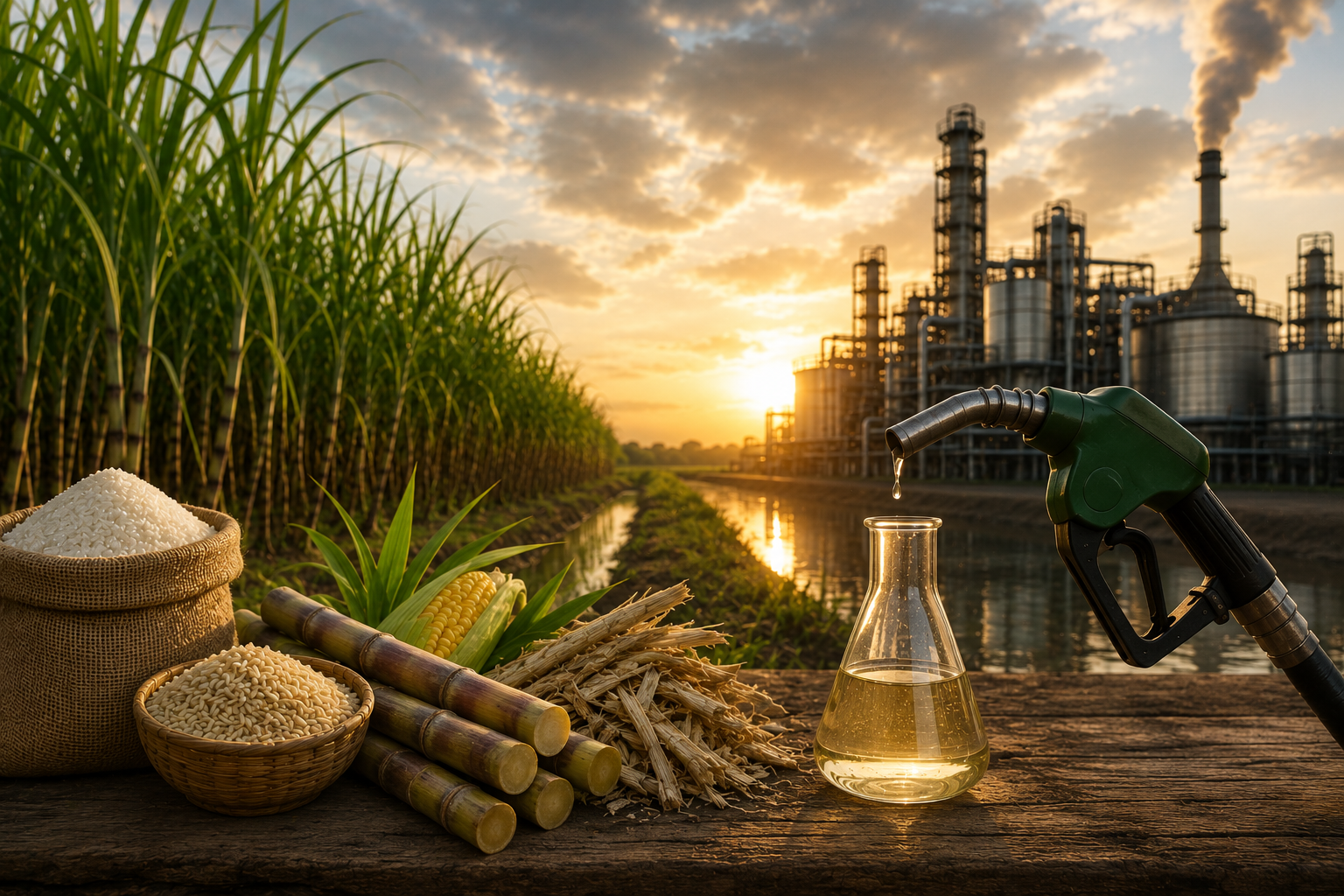
Renewable Energy

With innovation, renewable power is booming and beginning to keep the promise of a clean energy future. As solar and wind power generation increase, they are integrated into the national electric grid without compromising sustainability.

This means renewables are increasingly displacing non-renewable fossil fuels for generating power, offering the benefit of lower carbon emissions and other forms of pollution. Biomass and giant hydroelectric dams create difficult trade-offs when considering the impact on life-sustaining on the earth, climate change, and other related problems.

 Renewable Energy In Brief

Renewable energy, often called clean energy, comes from natural sources or constantly replenishing processes. Example: Sunlight and wind are renewable sources, even if their availability depends mainly on time and weather conditions.

It is often believed that renewable energy is a new technology when harnessing nature’s power has been used for centuries for heating, transportation, lighting, and more. Over the past 500 years, humans have increasingly turned to dirtier, cheaper energy sources, such as coal and fracking.

Renewable energy sources are becoming more critical now that we have innovative and cheap methods to capture and retain wind and solar energy. Renewables are also expanding at large and small scales, from giant offshore wind farms to rooftop solar panels on homes, enabling power back to the grid.

Dirty energy

Non-renewable energy is also known as dirty energy. It mainly includes fossil fuels like oil, gas, and coal, and Non-renewable energy sources are available in limited amounts.

Sources of non-renewable energy are also found in particular parts of the world, making them more plentiful in some countries than others. In contrast, every country has access to sunshine and wind. Prioritizing renewable energy can also raise national security by lowering a country’s dependence on fossil fuel exports–rich nations.

Many non-renewable energy sources can endanger our mother planet or its persisting life. For example, oil drilling might require strip-mining boreal forests in Canada; the technology associated with hydraulic fracturing may result in earthquakes and water pollution. Similarly, coal power plants may cause air pollution. Moreover, all of these will eventually contribute to global warming.

Types

Image showing types of renewable energy

Solar Energy

Humans have been using solar energy for many decades—for cultivation, dry foods, and many other daily needs.

Solar or photovoltaic (PV) cells are of silicon or other materials that convert sunlight directly into electricity. Distributed solar systems can produce electricity locally for homes and similar small-scale businesses through rooftop panels or community projects that power entire neighbourhoods. In solar farms, mirrors focus sunlight on acres of solar cells to provide enough energy for thousands of homes. Floating solar farms or “photovoltaics”. It can effectively use wastewater facilities and bodies of water that aren’t ecologically sensitive.

As long as they are appropriately sited, solar energy systems produce no air pollutants or greenhouse gases, and most solar panels have little environmental impact beyond the manufacturing process.

Wind energy

Recently, as tall as skyscrapers—with turbines nearly as wide in diameter—stand at attention worldwide. A force from the wind turns the turbine’s blades, which supports an electric generator and generates electricity.

Other Possible Sources of Energy

Hydroelectric power

Hydropower is the largest and most common renewable energy source for electricity. Hydropower means the power produced by water. The fast flowing water in a large river or rapidly falling water from a high level. This force of water then undergo convertion into electricity by spinning a generator’s turbine blades.

Large hydroelectric plants or mega dams are often considered non-renewable energy globally. Mega-dams divert and reduce natural flows and control access for life that rely on those rivers. Similarly, small hydroelectric plants should undergo careful management and do not cause as much environmental damage as they divert only a tiny fraction of the flow.

Biomass energy

Biomass is an organic material from plants and animals, including crops, waste wood, and trees. When stubble undergo burning, the energy liberation is mainly through heat, which produces electricity.

When producing electricity, biomass is often known as a cleaner, greener alternative to coal and other fossil fuels. However, recent studies have shown that many forms of biomass—especially from forests—have higher emissions of greenhouse gases than fossil fuels. There are also negative consequences for biodiversity. Still, some forms of biomass energy emit fewer greenhouse gases. For example, sawdust and chips from sawmills can be used as low-carbon energy sources.

Geothermal energy

The core of the earth is about as hot as the sun, and it is due to the slow degradation of radioactive particles in rocks at the centre. Using deep well drilling, boiling underground water can brought to the surface, which is pumped through a turbine to generate electricity. When geothermal plants pump steam and water into reservoirs, their emissions are usually low. There are ways to grow geothermal plants without underground reservoirs. However, there are concerns about an increased risk of an earthquake in those areas where there is geological hot spots.

Ocean

It is still early for tidal and wave energy, but the ocean will always dominated by the moon’s gravity, which makes harnessing it attractive. Some tidal energy approaches, such as tidal barrages, work like dams in an ocean bay or lagoon and may harm wildlife. Tidal power depends on structures on a dam-like system or devices anchored on the ocean floor.

Renewable Energy in Daily Life

Solar power

Using the sun’s rays to power the whole house at a smaller scale through PV cell panels or passive solar home design is possible. Passive solar homes designed to welcome the sun through south-facing windows. It is to retain the warmth through tiles, concrete, bricks and other materials that store heat.

A solar-powered home may generate more power than it needs so that the homeowner can sell the excess electricity to the grid. Batteries are also an economically viable way to store extra solar energy at night. Scientists are hard at work on new approaches that blend properties and functions, such as solar windows.

Geothermal heat pumps

Some coils in the back of your fridge act as a mini heat pump, which removes heat from the interior, keeping foods fresh and cool. This technology is a new take on a recognizable process. In a home, geothermal or geo-exchange pumps use the earth’s temperature to cool homes in summer, warm houses in winter and even heat water.

Geothermal systems can be initially expensive but typically pay off within 5 to 10 years. They are quieter, have fewer maintenance issues, and last longer than traditional air conditioners.

Small wind systems

Boats, ranchers, and cell phone companies regularly use small wind turbines. Recently it is now easy to get help with the site, installation, and maintenance of wind turbine homeowners too. A wind turbine may lower your dependence on the electrical grid depending on the electricity demand.

Selling the energy you collect.

Wind- and solar-powered homes can either stand-alone or connect to the larger electrical grid, as supplied by their power provider. Electric utilities in most states allow homeowners only to pay the difference between the grid-supplied electricity consumed and what they have produced. This process is called net metering. If you can generate more electric power than your requirements, your provider may pay you the retail price.

Renewable energy and you

Using renewable energy sources in your home or advocating for them can speed up the transition toward a clean energy future. Even if you can’t install solar panels, clean electricity may be an alternative. If renewable energy is unavailable through your utility, nowadays, purchasing renewable energy certificates to offset your use is possible.

Green Energy: Its importance, Types and Uses

What is Green Energy?

Green energy is any energy produced from natural resources, like sunlight, wind and water, and it usually comes from renewable energy sources.

The key to these energy resources is that they usually don’t harm the environment through factors such as releasing greenhouse gasses into the earth’s atmosphere.

How Does it Work?

Many renewable energy sources can produce green energy, such as solar, wind, geothermal, biomass, and hydroelectric power. Each of these technologies works differently, whether by taking control from the sun, as with solar panels, or using wind turbines or water flow to generate energy.

What Does it Mean?

The definition of green energy is that it cannot emit pollution, such as fossil fuels do, which means that not all renewable energy sources are green. Using organic material from sustainable forests for power generation may be renewable, but the CO2 produced by the burning process makes it not necessarily green. 

It can take millions of years for fossil fuel sources, like coal or natural gas, to replenish themselves. Green sources are usually obtained without any mining or drilling operations which may damage the ecosystems.

Types of Green Energy

The primary types are wind energy, solar power and hydroelectric power. It may include tidal energy, which uses ocean energy from the tides in the ocean. Solar and wind power can be produced on a small scale in people’s homes or on a larger scale in industries.

Image showing types of green energy

The common types of energies are as follows:

Solar Power

Renewable energy, such as solar power, is usually generated using photovoltaic cells, which convert sunlight into electricity. Solar power is also used for heating buildings, cooking, and lighting. Solar energy has now become cheap enough to be applied for domestic uses. It includes garden lighting, although it is also used on a larger scale for entire power neighbor hoods.

Biofuels

Rather than burning stubble, these organic materials can transformed into fuels such as ethanol and biodiesel, thus protecting our mother planet. Having supplied just 2.7% of the world’s energy for transport in 2010, biofuels expects to meet over 25% of global transportation fuel demand by the year 2050.

Wind Power

Wind energy generates electricity by using air circulation around the world to push turbines that generate electricity offshore and at higher altitudes.

Hydropower

It is also known as hydroelectric power since it generates electricity using water flow in rivers, streams, dams, or elsewhere. A small-scale hydropower system can even be created using water that flows through pipes in the home, evaporation or rainfall.

Geothermal Energy

This green power uses thermal energy which is obtained from under the earth’s crust. However this resource requires drilling thereby calling the environmental impact into question, it is a considerable resource once tapped into. Thousands of years ago, hot springs were heated by geothermal energy, and today, this same resource is used to generate electricity using steam. The energy stored in the United States alone is enough to produce ten times as much electricity as coal currently can. Iceland, for example, has easy-to-access geothermal resources, but the help relies on its location to be helpful. To be fully ‘green,’ the drilling procedures must be closely monitored.

Biomass

The renewable resource must also carefully managed to be accurately labelled as a ‘green energy’ source. Biomass power plants generate energy from wood waste, sawdust, and agricultural waste that can burned. While burning these materials releases a greenhouse gas, emissions are still lower than those from petroleum-based fuels.

Why is it so Important?

Green energy is essential for the environment as it replaces the adverse effects of fossil fuels with more environmentally-friendly alternatives. Since it is derived from natural resources, green energy is also often renewable and clean. It means that they emit no greenhouse gases and are usually readily available.

A green energy source releases lesser greenhouse gases than fossil fuels over the course of its life cycle, as well as fewer or low levels of air pollutants. This is not only supporting our planet earth but also better for the health of living organisms that have to breathe the air.

Using green energy can also help stabilize energy prices as these sources are often locally produced and are not affected by geopolitical crises, price spikes, or supply chain disruptions. Economic benefits include creating jobs in building facilities that serve the communities where the workers are employed. Renewable energy created more than million jobs in last few years worldwide.

Due to the energy production through solar and wind power sources, the energy infrastructure is more flexible, less dependent on centralized sources that can lead to disruption, and less resilient to weather-related climate change.

Green energy also represents a low-cost solution for the global energy requirements of many parts of the world. With costs continuing to drop, green energy will become more accessible, especially to developing nations.

Uses

Some examples of green energy are in use today, from energy production to thermal heating for buildings, roads and transport. Many industries are now investigating green solutions, and here are a few examples:

Heating and Cooling in Buildings

Green energy solutions used for buildings ranges from large office blocks to people’s homes. These include solar water heaters, biomass-fuelled boilers, direct heat from geothermal, and cooling systems powered by renewable sources.

Industrial Activities

Renewable heat for industrial activities can run using biomass or renewable electricity. Hydrogen is now a significant renewable energy provider for constructing materials like cement, iron, steel and chemical industries.

Transportation

Sustainable biofuels and renewable electricity are growing globally in use for transportation across various industry sectors. Automotive is an obvious example as electrification rises to replace te use of fossil fuels, but aerospace and construction are other areas actively investigating electrification.

Can It Replace Fossil Fuels?

Green energy may replace fossil fuels in the coming future. However, it may require diverse production from different means to achieve this objective. Geothermal is usually effective in places where this resource is easy to tap. At the same time, wind energy or solar power is a better way on the basis of geographic locations.

As green energy sources combines to meet global needs. So there is progress in producing and developing these resources, and therefore there is a chance of fossil fuels to phase out eventually.

Despite the fact that we are still some years away from this happening, it is necessary to lower climate change, improve the environment, and move toward a more sustainable future.

Economical Viability

The economic viability of green energy depends on a comparison with fossil fuels. As readily-accessible fossil fuels are undergoing depletion, the cost of this type of energy will only escalate.

Additionally, greener energy sources are becoming cheaper as fossil fuels become more expensive. Other factors favour green energy, like the ability to produce relatively inexpensive localized energy solutions like solar farms. The interest, investment and development of green energy solutions are bringing costs down as we continue to build up our knowledge and can build on past breakthroughs.

As a result, green energy can become not only economically viable but also the preferred option.

Which Type Is The Most Efficient?

Efficiency in green energy is dependent on location. If you have frequent and intense sunlight, it is easy to create a fast and efficient solution for power.

However, to truly compare different energy types, it is necessary to analyze the entire life cycle of an energy source. This process includes an assessment of the energy requires to create green energy resources. Analyzing how much energy can be convert into electricity, and any necessary environmental clearing. Of course, ecological damage would prevent a source from genuinely being ‘green,’ but when all of these factorscombines, it creates a ‘Levelised Energy Cost‘ (LEC).

The most efficient source of green energy is wind farms, which require less refinement and processing than solar panels. Advances in composites technology and testing have helped improve wind turbine lifespan and LEC. However, the same can implement with solar panels, which also see a great deal of development.

A significant advantage of green energy solutions is that they typically require little additional energy expenditure. After they constructed since they often use readily renewable energy sources. Among these are wind energy and solar energy. For coal, usable energy generates just 29% of its original value, whereas wind power generates 1164%.

Renewable energy sources are ranked as follows in efficiency (may vary as developments continue):

  • Wind Power
  • Geothermal
  • Hydropower
  • Nuclear
  • Solar Power

Green Energy Empowering Safer Planet

As a result of the natural resources used in green energy, such as sunshine, wind and water, there are tangible benefits for the environment. Energy sources like these are constantly replenishing, so they are the complete opposite of fossil fuels, which emit greenhouse gases and are unsustainable.

Creating energy that has a zero carbon footprint is a great stride to create an environmental future. If we are able to use it to meet our power, industrial or transportation needs, we will significantly reduce our environmental impact.

Green Energy, Clean Energy and Renewable Energy –Difference

Using these terms interchangeably, a resource can be all of these three together. It may also be renewable but not green or clean (such as with some forms of biomass energy).

Green energy is energy that comes from natural sources, such as the sun.

 Clean energy does not release pollutants into the air. Clean energy comes from renewable, zero-emission sources that do not pollute the atmosphere when used, and energy efficiency measures save energy.

Renewable energy comes from constantly replenishing sources, such as hydro power, wind power or solar energy.  Renewable energy is that energy that comes from sources or processes that are constantly replenished. These energy sources include solar, wind, geothermal, and hydroelectric power

Wind power is an example which comes under the three categories together. It is renewable, green and clean – since it comes from natural sources, self-replenishing and non-polluting sources.

Conclusion

Green energy is part of the world’s future, offering a cleaner and better alternative to many of today’s energy sources. Readily replenished, these energy sources are good for the environment and lead to a rise in employment and become more economically viable as the progress in development.

Since the fact that fossil fuels are a thing of the past, and so they do not provide a sustainable solution to our energy needs, by developing various green energy solutions, we can create a sustainable future for our energy provision without damaging the world we all live in.

.

Zero Liquid Discharge

What is ZLD?

Generally speaking, zero liquid discharge refers to a process that maximizes water recovery from a wastewater source otherwise destined for disposal. Salts and other solids are produced from wastewater and are usually disposed of in landfills. When all wastewater is purified and recycled, zero liquid is discharged at the end of the treatment cycle of zero-liquid discharge (ZLD).

Economic growth results in massive energy consumption, which leads to a series of environmental issues worldwide. Governments have been making strict emission standards for environmental protection. In the Paris Agreement, a universal environmental target to keep global warming below 2 degrees Celsius. This led to ambitious decarbonization goals set for most developed countries to support with policies and laws. COP26 reaffirms the temperature goal in the Paris Agreement and phased out low-efficiency fossil fuel subsidies. The UK parliament passed an amendment for cutting emissions in 2019 to achieve the pollution reduction ambitions, which set a zero discharge emission precedent.

Ethanol production: focussing sustainability

The process that Khaitan implemented not only produces ethanol but also converts waste streams into high-value-added by-products by undergoing multistage refinery steps. Inorder to achieve zero liquid discharge, additional waste processing methods are carried out. It is possible to avoid water pollution in the proposed process due to an extra water recycling step.The use of fossil fuels as operation energy, however, results in increased CO2 emissions and reduced water pollution. To ensure the proposed bioethanol plant has an environmental advantage over traditional ethanol refinery plants, the CO2 emission per kWh for all kinds of electricity should not be over 0.11 kg/kWh. Thus, the proposed concept of zero discharge bioethanol plants could establish in Countries with access to sufficient renewable electricity supply.

Lignocellulosic biomass is one promising renewable resource due to its low price, abundance and efficient conversion technologies. On the one hand, the technologies to convert lignocellulosic biomass into biochemicals, such as biodegradable plastics, succinic acid and ethanol, are mature. These chemicals have the potential to replace fossil fuels-derived chemicals by providing technological support. Besides, the feedstock supply could ensure due to the abundance of availability globally.

Components of Bio refineries

In order to achieve zero liquid discharge, biomass to ethanol biorefinery plant includes the following nine main process steps. (1) feed handling. (2) feedstock pre-treatment. (3) enzyme production. (4) hydrolysis and fermentation. (5) distillation. (6) combined heat and power generation. (7) wastewater treatment. (8) storage. (9) utility management (water system and power system),

  At first, the feedstock undergoes loading and shredding for downsizing. Then pre-treated at a high temperature to decompose lignocellulosic biomass into its components like lignin and cellulose. For high-efficiency hydrolysis. Sulfuric acid, a proven competitive low-cost and high-efficiency pre-treatment solution widely applies in feedstock pre-treatment. Then, the pretreated feedstock mixes with an enzyme. This is produced in the enzyme production process for hydrolysis and fermentation under a suitable reaction condition. Finally, the glucose and pentoses hydrolyzed from cellulose and hemicellulose undergo catalyzing by an enzyme converting to ethanol. The ethanol distillation process will separate ethanol, lignin and stillage. The ethanol and stillage further process for storage and wastewater processing (the grey flow chart in, respectively. The storage plays a crucial role for elemental sources supplying to bioethanol plants.

Lignin Extraction

Extracted lignin from ethanol distillation and biogas from zero liquid discharge undergo combustion to produce energy mainly heat, power and steam. This is for biorefinery plant operation and electricity grid to increase plant profitability. The ash disposal is used for agricultural purposes in such cases. The utilities include on-site recirculation of cooling water and external electricity from the grid to support biorefinery plant operation.

It is clear that various waste streams such as CO2 and wastewater discarded to the environment causes secondary pollutants, simultaneously reduce the benefits to sustainable development. However, its original intention was to reuse agricultural waste and protect the environment. For instance, in ethanol refinery process, stillage from ethanol distillation contains abundant organics. This high-value contents convert to low-value biogas for combustion. Lignin is a substantial potential raw material for the chemistry industry. In comparison, most of the lignin in traditional bioethanol refineries will burn for power generation, which causes not only source waste but also environmental impact. There is no doubt that the lignocellulose-based bioethanol production cost is much higher than the ethanol market value. Thus, optimizing processing design and increasing by-product value is Khaitan bio energy focus on Zero discharge facility, thus focus on saving our mother planet.

ZLD Ethanol Plants

Compared to the traditional process, this work aims to maximize the value-added by-products and achieve zero waste emission. It proposes a by-products processing path that extracts value-added lignin, furfural and other organics. To realize this, wet stillage undergoes filtering and dried to separate lignin and wastewater in the lignin extraction process. In this process, the insoluble organics such as lignin, small amounts of water and soluble organics will get remove from stillage. The eutrophic wastewater will further extracted to generate furfural, ethanol and other organic powder by multistage fractionation in by-products purification processing and storing in storage. As with traditional bioethanol production, purified water will pump to feedstock pre-treatment processing for water recycling. Except for primary usage, the rest purified water will discharge into the environment. The organic powder will then return to the soil as fertilizer for soil organic matter protection.

Methods used

To achieve the innovation of the bioethanol production process, the design of the zero liquid discharge process stood on the excellent than previous traditional ethanol production. Therefore, Khaitan bio energy implements the by-products purification process and lignin extraction process focusing towards zero emission. In contrast, the other areas like feed loading, pre-treatment, enzyme production, hydrolysis and fermentation, distillation, utility, and storage.

CO2 emission

Regarding environmental impact, CO2 emission is a critical criterion for biorefinery ecological assessment. 

The calculation of CO2 emission of electricity is based on the data from the Energy Information Administration (EIA) in 2020 in the US. The total CO2 emission of zero waste emission plant accounts for approximately 27.6 % of that in the traditional bioethanol plant. To extract high-concentration by-products from mixed aqueous solutions, a high volume of water should undergo distillation, resulting in significant electricity consumption in By-product purification

Conclusion

The zero discharge emission process is more competitive than traditional biorefinery plants. This is mainly in terms of profitability in the ethanol market particularly if possible to achieve low electricity prices. The pre-treatment and fermentation processes are critical in capital cost. High value-added by-products income improves the bioethanol plant’s profitability. 

Because the development of lignocellulosic biomass biorefinery is still developing, a substantial technical gap exists in replacing fossil chemicals. Although the purchase price of cellulosic biomass feedstocks is competitive with petroleum on an energy basis, the lack of economic competitiveness in biochemicals is the main challenge for biorefinery.

COP27

What is COP27?

COP is the short form for Conference of the Parties, with” parties” about the 197 countries that consented to the United Nations Framework Convention on Climate Change in 1992.

This convention addresses” dangerous mortal hindrance with the climate system” and stabilizes situations of GHG emissions into the atmosphere. The U.N. climate body convenes those governments once a time to bandy addressing climate change. This is the 27th time different have gathered under the convention — hence, COP27.

The conference was from Nov. 6 through Nov. 18, 2022. But climate negotiations are famously contentious, so expect it to go into overtime.

 when was COP27

The meeting was held at Sharm el Sheikh. It is an Egyptian resort town on the Red Sea coast.

Two main sites for the COP27 event: are the Blue Zone and the Green Zone. 

The Blue Zone was at the Sharm el Sheikh International Convention Center, South of the town centre, mainly for the official negotiations. United Nations superintended the space, which is a concern to international law.

Across the road in the Peace Park Botanical Garden will be the Green Zone, and the Egyptian government will run that area and open it to the public.

The goal of COP27

The final goal of the conference was in dispute. Developed nations need to focus on ways to support developing nations in phasing out fossil fuels and transitioning to renewable energy.

Developing countries want a commitment to the money they need to address the disasters due to climate change they are already experiencing.

However, emerging countries need to find economic assistance for factors like relocating endangered areas or just making up for the economic growth lost to worsening floods, storms and heat waves. Industrialized nations, including the United States, have partly opposed a new fund. Because they fear being held legally liable for the rising damages happened by climate change.

It was the first climate summit in Africa since 2016. Many activists said they hope it will be an ‘African COP’ in both focus and location, as the African nations face some of the worst impacts of climate change.

Above 35,000 representatives are awaited to join the event, including U.S. President Biden and more than 100 heads of nation, according to the U.N. climate body. Over 40,000 people attended the 26th summit in Glasgow with 120 world leaders. But it’s still a substantial gathering for a year in which no significant decisions are officially expected.

Disapproval at COP26

 Climate activists have demonstrated their concern for the crisis through marches, hunger strikes, sit-ins, and other acts of civil disobedience at COP26.

Protests are planned in Sharm el Sheikh while world leaders highlight Egypt’s poor human rights record at COP27. As President Abdel Fattah el-Sisi’s government has criminalized free assembly and banned demonstrations, those demonstrations appear unlikely.

Sameh Shoukry, Egypt’s foreign minister, said that Egypt would permit some demonstrations at COP27. However only in a facility adjacent to the conference centre rather than in negotiating rooms or on the streets. Environmental activists said they remain fearful of climate change and global warming.

COPs in the past

Berlin was the site of the first COP in 1995. After a critical mass of nations approved the climate convention, which set the stage for two years later’s Kyoto Protocol.

In contrast, the Kyoto Protocol required wealthy, industrialized nations to cut emissions. However developing countries like China, India, and Brazil would reduce emissions voluntarily.

Climate change has been the subject of the last few decades of debate between the senate and the president over which nation is most responsible. In 2015, Obama’s authority broke the impasse by leading about 200 countries to sign the groundbreaking Paris climate agreement. For the first time, rich and developing countries agreed to act, albeit at various centres, to check out the solutions for climate change.

After the cancellation of the United States from the Paris accord, President Donald J. Trump rejoined the agreement under Vice President Joe Biden.

Although leaders made big contracts in Paris, nations need to take more actions to stave off the worst effects of climate change. At COP26, nations pledged to be more ambitious in Glasgow, and some have been. The United Nations reported recently that only about two dozen countries have followed through on their commitments.

Many world leaders, scientists, and activists agree that more ambition is needed even as nations begin to reduce their carbon footprints.

COP26 in Glasgow

COP26 produced the Glasgow Pact. It is an agreement among 200 nations. In a way to limit global temperature rise to under 1.5 degrees Celsius (2.7 degrees Fahrenheit), nations are asked to “revisit and strengthen” their emissions targets by the end of 2022.

It is noticed that developed nations have failed to meet a decade-old promise to help deliver $100 billion annually by 2020, urging them to “at least double” finance for adaptation by 2025.

On the sidelines of the formal negotiations, many of the agreements were struck by countries and corporations. More than 100 countries agreed to reduce methane emissions, a potent planet-warming gas, by 30 per cent this decade. Another 130 countries vowed to prevent deforestation by 2030 and commit a huge fund toward the effort. Dozens of other countries promised to eliminate their coal plants eventually and sales of gasoline-powered vehicles in the upcoming years.

 COP26: Level of Execution

The United States passed a law last year to contribute $370 billion to drive the country away from fossil fuels and depend more on GHG emissions-free energies like solar, wind, and nuclear power. It is expected to get to its goal of cutting emissions at least 50 percentage below 2005 levels by 2025.

Does the 1.5-degree target matter?

It’s the threshold beyond which scientists say the likelihood of disastrous climate impacts — like severe heat waves, water scarcity, drop in crop production and collapse of the ecosystem— is relatively going up. Our mother earth has warmed by about 1.1 degrees Celsius.

Compelling global warming to 1.5 degrees Celsius requires all nations to cut emissions faster and more profoundly than they already are doing.

Loss and damage

Loss and damage related to climate change the countries are passing on now are relatively high nowadays. But cannot acclimatize to impoverish, developing nations that have contributed the least to global warming. It’s a changing sanctum for the above 30 million people in Pakistan displaced by floods. Or they’re shifting communities in Fiji from aquatic plages because of rising waterbodies.

The Economic support during such calamities was discussed at COP27.

What is at stake at COP27?

This conference test whether the international community can respond to the rising urgency of the crisis.

The environmental activist and policy analyst Alden Meyer, who has attended 25 of the 26 climate change conferences, says negotiations must shift from haggling over legal terms to helping countries meet their emission pledges by the end of the year to prevent more catastrophes and protect the most vulnerable.

Solutions to Climate Changes

After decades of ferocious exploration, scientists has recognized a great deal regarding the climate system and the effects people are having on it. Scientific substantiation relating to climate change spans variety of fields of study and includes work from the knockouts of thousands of scientists. Scientists have strictly assessed and singly corroborated the substantiation hundreds of times, as described in this memo.

Three broad conclusions affect comprehensive assessments of scientific substantiation:

  1. People are causing the climate to change, mainly due to hothouse gas emigrations.
  2. Mortal-induced climate change is dangerous, and the consequences are potentially dire.
  3. We’ve numerous options for reducing the impacts of climate change.

These conclusions come from multiple lines of substantiation.

Solutions form Various Sectors

Options to lower the consequences of climate change generally fall into four fields:

Mitigation

 — sweats to reduce hothouse gas emigrations.

Mitigation reduces our future emissions of GHG to the atmosphere. This will affect lower human disturbance of the climate system– the amount that climate will change because of our emissions– and increases the chances that climate change will be manageable. Approaches to reducing emissions fall into several orders. These include
1) regulation;
2) exploration, development, and deployment of new technologies;
3) preservation of energy or land;
4) sweats to increase public mindfulness;
5) positive impulses to encourage choices that lower emigration;
6) increasing the cost of utilizing the atmosphere to dispose of greenhouse gases.
This last approach is particularly noteworthy because it anticipates to beget a broad-reaching reduction in emigration. It has entered a great deal of attention from the exploration community and is a focus of policy conversations. It can also be anticipated to induce net benefits by correcting a request failure( that emitters presently can use the atmosphere without paying for the cost of climate damage that they spawn).

Adaption

 — adding society’s capacity to manage climate change.

Adaption involves the structure’s capacity to avoid, repel, and recover from climate change impacts. It includes regulating to reduce vulnerability, planning disaster recovery, assessing the effects of critical systems and resources etc. It also ensures compliance and monitoring, relocating vulnerable populations and resources. These are examples of ways to minimize compounding stresses. Mainly it concern about traditional air pollution, niche loss and decline, invasive species, species demolitions, and nitrogen deposits.

Geoengineering or Earth manipulation 

— new, deliberate intervention in the Earth system that tries to offset some of the impacts of hothouse gas emigrations.

Geoengineering or Earth manipulation, if feasible, might help lower greenhouse gas attention. Offset the global warming influence of Greenhouse gas emissions, address specific climate change impacts, or offer despair strategies in the event we need them. Geoengineering also creates pitfalls because attempts to alter the Earth’s system could lead to unintended and negative consequences. Two approaches admit the utmost attention reflecting the sun to space to neutralize hothouse gas warming and carbon remmoval( rooting carbon dioxide from the air and storing it deep in the ground or ocean). Carbon removal to match hu an emission isn’t presently possible. Reflecting sun would not address all consequences of hothouse gas emigration (e.g. ocean acidification).

Research

 sweats to further understand the climate system, our impact on it, the consequences, or the response options themselves.

Research works includes Exploration, compliances, scientific assessment, and technology development. It can increase understanding of the Earth system. Similarly it reveal pitfalls or openings associated with the climate system, and support decision-making concerning climate change. The new knowledge could reveal new spaces for reducing the consequences of climate change. And thus help with the early discovery of successes and failures. As a result, programs to expand the knowledge base can bolster and support our responses to climate change.

Climate change is at the forefront of the political sphere as we head into 2023 and with the new administration. There is, however, a complex aspect to climate change, and it has the potential to overwhelm us. The reality is that real solutions will require action on a global scale in order to be implemented. But you can still make small changes in your day-to-day life in order to make a positive impact on the environment.

Renewable powers

We have to change our sources of energy to clean and renewable energy. Solar, Wind, Geothermal and biomass are among those. The main challenge is barring the burning of coal, oil and, ultimately, natural gas. The citizens of richer nations eat, wear, work, play and indeed sleep on the products made from renewable energies. And population developing nations want and arguably earn the same comforts, largely thanks to the energy stored in similar energies.
Oil is the lubricant of global frugality and fundamental to consumers and goods transportation. Coal is the main source, supplying roughly half of the electricity used worldwide. There are no exact results for reducing dependence on fossil energies. As an illustration, carbon-neutral biofuels can drive up the price of food and lead to timber destruction. While nuclear power doesn’t emit hothouse feasts, it produces radioactive waste, so every bit counts.

Reforestation

Every time, 33 million acres of timbers are cut down. Timber harvesting in the tropics contributes1.5 billion metric tons of carbon to the atmosphere. It shows 20 per cent of man- made GHG emissions and a source that could be avoided fairly fluently.
Better agricultural practices along with paper recycling and timber operation should be take. Balancing the quantity of wood taken out with the number of new trees growing could be a solution to control the climate changes.

Electricity

Believe it or not, utmost people have to spend further amount on electricity to power bias when off than when on. Stereo outfit, computers, battery dishes and a host of other widgets and appliances consume further energy when switched off, so better unplug them.
Purchasing energy-effective widgets can also save energy and money — therefore precluding further Climate changes. To take but one illustration, effective battery dishes could save further than one billion kilowatt- hours of electricity —$ 100 million at current electricity prices and therefore help the release of further than one million metric tons of green house gases.

Population

Currently, there are at least 6.6 billion people living, a number prognosticated by the United Nations to rise by at least nine billion by the middle of the century. TheU.N. Environmental Program estimates it requires 54 acres to sustain an average population — food, apparel and other coffers uprooted from the earth. Continuing similar population growth seems unsustainable.

Biofuels

Biofuels can have numerous negative impacts, from adding food prices to stinking up more energy than they produce. Hydrogen must be created, taking either reforming natural gas or electricity to crack water into molecules. Biodiesel hybrid electric vehicles which can plug into the grid overnightmay offer a better transportation result in the short term. Given the energy viscosity of diesel and the carbon-neutral ramifications of energy from shops, as well as the emigrations of electric machines. A recent study set up that the present quantum of electricity could give enough energy for the entire line of motorcars to switch to plug- in hybrids, as a solution to climate changes.

Reduce Consumption

The easiest way to reduce green house gas emissions is to buy lower stuff. Whether by abstaining an machine or employing a applicable grocery sack, cutting back on consumption results in smaller fossil energies being burned to prize, produce and transport products around the globe.
suppose green when making purchases. For case, if you’re in the request for a new auto, buy one that will last the long and have the least impact on the planet. Therefore, a used vehicle with a mongrel machine offers superior energy effectiveness over the long haul while saving the environmental impact of new auto manufacturing.

Sustainable Transportation

Our transport styles must be aligned with environmental conditions and reduce their carbon footmark. We must reevaluate our transport styles from the design stage towardseco-friendly transportation. Transportation is the alternate leading source of GHG gas emissions in theU.S.( burning a single gallon of gasoline produces 20 pounds of CO2). But it does not have to be that way.
One way to dramatically dock transportation energy needs is to move closer to work, use mass conveyance, or switch to walking, cycling or some other mode of transport that doesn’t bear anything other than mortal energy. There’s also the option of working from home and telecommuting several days a week.
Cutting down on long- distance trip would also help, most specially airplane breakouts, one of the fastest growing sources of GHG gas emissions and a source that arguably releases similar emigrations in the worst possible spot( advanced in the atmosphere). Flight travels are also one of the many sources of global- warming pollution for which there is not a feasible volition. The jets calculate on kerosene because it packs the most energy per pound, allowing them to travel far and fast. Yet, it takes roughly 10 gallons of oil painting to make one gallon of spurt energy. Confining flying to only critical, long- distance passages to various parts of the world, trains can replace aeroplanes for short- to medium- distance passages — would help check airplane emissions.

Sea and Ocean preservation


In terms of storage capacity, oceans and seas are considered to be the largest reservoirs of greenhouse gases. They provide an exceptional support system for life on this planet. In order to protect our natural resources, we must limit overfishing, develop in a sustainable manner in coastal areas, and consume those products which are environmentally friendly.

Circular economy

Using the three r’s of circular economy, that is, to “Reduce, Reuse and Recycle”, is highly important to reduce our waste and avoid excessive production significantly. So Waste Management & Recycling should also be done properly in order to reduce the effect of climatic changes in the future. Adapting our production methods to our consumption patterns is the easiest way to reduce waste. Taking recycling into account in our consumption habits is also important

Future Fuels

Replacing Fossil energies may prove the great challenge of the 21st century. Numerous contenders live, ranging from ethanol deduced from crops to hydrogen electrolyzed out of the water, but all of them have some downsides, too, and none are incontinently available at the scale demanded.

But plug- in hybrids would still calculate on electricity, now generally generated by burning coal. Massive investment in low- emigration energy generation, whether solar- thermal power or nuclear fission, would be needed to radically reduce green house gas emissions. And indeed more academic energy sources hyphens humanity’s first planet wide trial. But, if all else fails, it could not be the last. So- called geoengineering, radical interventions to either block harmful sun rays or reduce green house gases, is a implicit last resort for addressing the challenge of climate change.

Climate Change: Causes and Effects

Climate change specifies to long-term shifts in temperatures and weather patterns. These changes may be natural, such as through divergence in the solar cycle. However since the 1800s, human activities are the main cause of climate change. Mainly due to burning fossil fuels like coal, oil and gas.

Burning fossil fuels generates greenhouse gas emissions like a blanket wrapped around the Earth’s atmosphere, trapping the Sun’s heat and raising temperatures.

Examples of greenhouse gas emissions causing climate change include carbon dioxide and methane. These come from using gasoline to drive a car or coal to heat etc. Deforestation can also release carbon dioxide, and landfills for garbage constitute a significant source of emission of green house gases

It is the highest level of greenhouse gas concentrations.

 And emissions is still rising. And therefore the Earth is now about 1.1°C warmer than ever before. 2011-2020 was the warmest decade on record.

Climate change not only means warmer temperatures. But also the temperature rise is only the starting of the many other problems. Since the Earth is a system where everything is interconnected, changes in one section will result changes to all other sections too.

Intensified droughts, water scarcity, severe fires, rising sea levels, flooding, melting polar ice, catastrophic storms, and declining biodiversity have all been linked to climate change.

The impacts of climate change are diverse for different people.

 Climate change can affect even our day-to-day life. Many of us are already vulnerable to climate impacts, mainly consisting of people living in small island nations and other similar developing areas. Problems like sea-level rise and saltwater intrusion are rising, so the communities nearby must relocate. Also, protracted droughts are putting people at risk of famine. Shortly, the number of “climate refugees” is expected to rise. 

 Climate Change: The Causes

Human activities are promoting the global warming trend observed since the mid-20th century.

  • The greenhouse effect is highly essential for sustaining life on Earth. But human-made pollution in is trapping heat.
  • The five essential greenhouse gases causing climate change are CO2, nitrous oxide, methane, chlorofluorocarbons, and water vapour.

 About 90% of this heat is absorbed by greenhouse gases and re-radiated; thus, it is slowing heat loss to space.

Power Generations

Generating power and heat by burning fossil fuels causes many global emissions of greenhouse gases. Electricity is mainly generated by burning coal, oil, or gas, which produces potent greenhouse gases. Globally, electricity also comes from wind, solar and other renewable sources, which emit little to no greenhouse gases or pollutants into the air as opposed to fossil fuels.

Manufacturing goods

Manufacturing and industry produce emissions, mainly from burning fossil fuels, to have energy for manufacturing things like cement, iron, clothes, steel, electronics, plastics and other goods. Mining and other industrial processes release gases, as does the construction industry. Machines used in manufacturing often run on coal, oil, or gas; some materials, like plastics, are made from chemicals sourced from fossil fuels. The manufacturing industry is a prominent donor of greenhouse gas emissions worldwide.

Deforestation

Cutting down trees to make farmlands, or for similar other reasons, causes emissions of CO2. When they are cut, they release the CO2 they have been storing inside. Every year about 12 million hectares of forest undergo destruction. Since forests absorb CO2 destroying them also limits nature’s ability to emit gases out of the atmosphere. Deforestation, agriculture, and other land use changes are also responsible for a limited amount of emission of greenhouse gases.

Transportation

Most vehicles like cars, trucks, ships and planes run on fossil fuels. That makes transportation a significant contributor to greenhouse gases, especially carbon-dioxide emissions. Road vehicles account for the most important part, due to the combustion of petroleum-based products, in internal combustion engines. But greenhouse gas emissions from ships and planes continue to grow. Transport contributes to nearly one-quarter of global energy-related CO2 emissions. And as per the report, there will be a significant increase in energy use for transportation in the upcoming decades.

Food production

Food production causes emissions of CO2, methane, and other greenhouse gases in various ways. It also includes deforestation and clearance of land for agriculture and grazing, the production and use of fertilizers and other chemicals for crop cultivation, and the energy consumption to run farm equipment or fishing boats with fossil fuels. All this makes food production a significant promoter of climate change. 

Electricity

Residential and commercial buildings worldwide consume over half of all electricity. Since they continue to depend on coal, oil, and natural gas for various purposes, they emit significant greenhouse gas emissions. Growing energy demand for heating and cooling, rising air-conditioner ownership, and increased electricity consumption for lighting, appliances, and connected devices, have contributed to a rise in emissions of greenhouse gases from buildings recently.

High rate of Consumption 

Your daily work, power usage, how and what you consume and how much you waste all contribute to greenhouse gas emissions. So indirectly, it relies on consuming goods such as clothing, electronics, plastics etc. A large amount of global greenhouse gas emissions is linked to private households.

 Our lifestyles have a subtle impact on our planet.

 A rise in global warming is a serious issue.

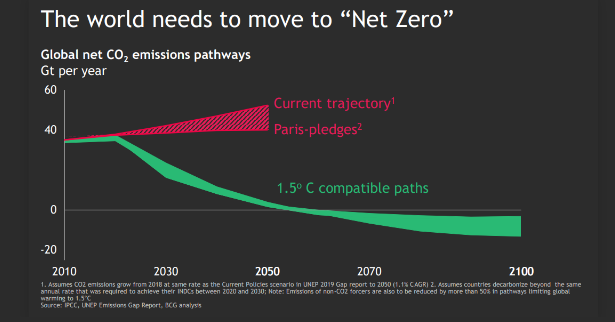
 According to UN reports, limiting global temperature rise to 1.5°C will avoid the worst climate changes and maintain a suitable climate. Even then, currently, reports are showing a 2.8°C rise in temperature within a few years. 

 Some countries produce greenhouse gases much more than others. The 100 least-emitting countries have about 3 per cent of total emissions, and the 10 countries with the most significant emissions are about 68 per cent. So even though everyone must take climate action, those creating more of the problem have a higher responsibility for immediate action.

Effects of Climate Changes

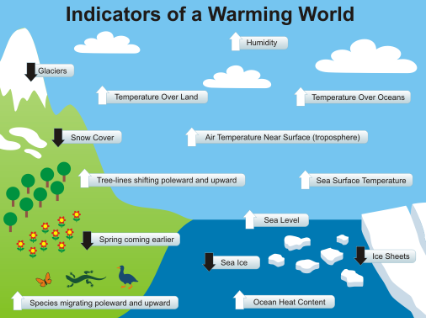
Global climate change is not a problem we must face in the future. Changes to Earth’s climate driven by rising emissions of heat-trapping greenhouse gases have boundless effects on the environment: melting of glaciers and ice sheets, plant and animal geographical locations are shifting, and plant and trees are blooming sooner. Some changes like droughts, wildfires, and extreme rainfall are happening faster than previously predicted. As the IPCC(Intergovernmental Panel on Climate Change ) – the United Nations body responsible for assessing climate change – points out, modern humans have never seen such changes in our global climate. Some of these changes will be irreversible in the coming years.

  • The melting of glaciers and ice sheets, rising sea level, and more intense heat waves are some of the effects of climate change.
  • Some reports show that global temperature rises from human-made pollutants will continue. As a result, severe weather damage will also increase and intensify in the upcoming years.

Hotter temperatures

As greenhouse gas concentrations increase, the global surface temperature is also rising. The period 2011-2020 is the warmest ever on record. Since the 1980s, each decade has been more generous than the previous one. Moreover, land areas are becoming warmer. Rising temperatures increase heat-related illnesses and make working outdoors more difficult. Wildfires start more quickly and spread more rapidly when conditions are more alluring…

Severe storms

Destructive and heavy storms are becoming more frequent in many parts of the world. When temperatures rise, more moisture evaporates, resulting in extreme rainfall and flooding, causing more violent storms. The warming ocean also affects the frequency and extent of tropical storms. Cyclones, hurricanes, and typhoons feed on warm waters at the ocean surface. These storms often destroy homes and communities, causing deaths and substantial economic losses.

Increased drought

Climate change is affecting water availability, making it scarcer in more regions. Global warming results in water shortages in already water-stressed areas. It also leads to a high risk of agricultural droughts affecting crops, thereby increasing ecosystem vulnerability. It can also cause destructive sand and dust storms that shift tons of sand across the vast land area. This results in expansions, thereby reducing land for growing food. Many people now need more water regularly.

Warming and rising ocean temperature

The sea’s temperature variation rate has enormously increased over the last few years overall oceanic depth. As the ocean warms, its volume increases as the water expand while heating. The melting of glaciers also causes sea levels to rise, threatening coastal areas. In addition, the ocean absorbs CO2, keeping it from the atmosphere. But more carbon dioxide makes the ocean acidic, which endangers marine life and coral reefs.

Loss of species

Climate change risks species’ survival on land and in the ocean, and these risks rise as temperatures increases. As a result of climate change, the world is losing species at 1,000 times greater than at any other time in recorded human history. One million species risk becoming extinct within the next few decades. Forest fires, extreme weather, invasive pests and diseases are many threats to climate change. Some species can relocate and survive, while others can’t.

Scarcity of food

Climate changes and increases in extreme weather also lead to global hunger and malnutrition. Fisheries, crops, and livestock are highly affected or become less productive. Even the marine resources that feed billions of people are at risk, with the ocean becoming more acidic. Ice-melting Arctic regions have affected food from herding, hunting, and fishing. Heat can affect water and grasslands. Therefore causing a decline in crop yields and thus affecting livestock.

More health risks

Climate change is the single biggest threat facing human life too. People in places where they cannot grow food or find enough food are already experiencing health impacts due to air pollution, disease, extreme weather events, forced displacement, and food insecurity. Every year, environmental factors take the lives of around 13 million people, and health systems have difficulty keeping up with extreme weather events due to changing weather patterns. Diseases are spreading and deaths are rising as a result of changing weather patterns.

Poverty and displacement

Climate change also affects the factors that put and keep people in poverty. Urban slums may be swept away by floods, destroying homes and livelihoods. Heat can make it challenging to work in outdoor jobs, and water scarcity may affect crops. During the period(2010–2019), weather-related events displaced an estimated 23.1 million people each year, leaving them much more vulnerable to poverty. Most refugees come from the most vulnerable countries and are least ready to adapt to the impacts of climate change.

Climate change: Are scientists on the same page?

New technologies have helped scientists to collect information about our planet and its climate worldwide. These data, collected over many years, reveal the signs and patterns of a changing environment.

Scientists illustrated the heat-trapping nature of CO2 and other gases in the middle of the 19th century. Many science instruments in NASA study climate change and how these gases affect the movement of heat radiation through our atmosphere. 

How are climatic changes being resolved?

In executing its mission sustainability objectives are to:

  • High energy efficiency;
  • High the use of renewable energy;
  • Measure, report, and reduce the emission of greeenhouse gases;
  • Conserve and protect water bodiesthrough efficient reuse, and management of storm water;
  • Eliminate waste, prevention of pollution, and increase recycling of products;
  • Design, construction, maintainance of high-performance, sustainable buildings;
  • High utilization of power management options and reduce the number of agency data centres;
  • Assessment of agency climate change risks and vulnerabilities and development of mitigation and adaptation measures to manage both short- and long-term effects on mission and operations;
  • Maintain compliance with all laws and regulations related to energy efficiency and security, a healthy environment, and environmentally-sound operations; and
  • Comply with internal NASA requirements and agreements with other entities.


Lignin Valorization

In the last decade, lignocelluloses have drawn the scientific community’s attention as a rich resource for 2G ethanol production and other by-products. This is highly important because of many reasons. It mainly include climate change concerns. Also the risks of interruptions in food supply chains in various parts of the world are becoming more urgent. In this circular economy, lignin valorization in biorefineries serve as the highly suitable industrial platform to develop the essential chemical changes.

Biorefineries are defined by the IEA as the sustainable processing of residual biomass into a wide range of bio-based products. It mainly includes food, feed, materials, chemicals etc and bioenergy like fuels, power, heat etc. Furthermore, the main goal of the biorefineries are the complete valorization of stubble. Thereby lowering the environmental pollution through an alternative energy or materials and to achieve less dependency on fossil-based fuels and materials.
Regarding the lignocellulosic biorefineries, there are still important limitations that still make them non-cost-competitive.

The first commercial lignocellulosic ethanol production facility started in the U.S (2013). Initially plan consists of the construction of 5 lignocellulosic ethanol plants from 2013 to 2016. However only one ethanol plant was in operation in 2019. Moreover, the maximum lignocellulosic ethanol production from this biomass source peaked in 2018 at 15 million gallons. Far behind the expected target of 7 billion gallons expected. As a result of the ability to produce low to high-value compounds on a large and stable basis from lignin. Lignocellulosic biorefineries could potentially become more economically viable. Also competitive by offering a diverse range of products instead of just methanol.

Conversion of lignin

 Definition of Lignin and its features

Lignin is the complex chemical compound most derived from biomass. It is a set of non-sugar molecules acting like glue to hold the fibres. It is a chemical bond of carbohydrate materials, occurs throughout the cell wall, and fills the spaces in it. Lignin is the main component of lignocellulosic biomass, making up about 15-30% of its weight. The three main monomers consists of almost all lignin found in nature are:

  • p-Coumaryl alcohol-minor component of stubble
  • Coniferyl alcohol-mainly found in softwoods
  • Sinapyl alcohol-building blocks of hardwood lignins

Considering the chemical structure of lignin, it is composed of three primary phenylpropane units or hydroxyl cinnamyl alcohols. It mainly consists of guaiacyl propanol (G), syringyl propanol (S) and p-hydroxyphenyl propanol (H). These all link through various chemical bonds. Although the phenylpropane units have similar chemical structures, their differences rely mainly on the quantity of substitution of methoxy functional compounds.

Importance:

  • Adhesive of wood
  • Binds the fibres
  • Provides rigidity and toxicity to the wood
  • It is the most slowly decomposing component of biomass, contributing a significant part of the material that becomes humus as it decomposes.

Uses and Properties: 

 The lignin adds compressive strength and hardness to the cell wall of plants and have a major role in the evolution of greens by suporting them to withstand the gravitational force. It also waterproofs the plant’s cell wall, supporting the upward movement of water in xylem tissues. Lastly, lignin has antifungal properties and often rapidly deposits in response to fungal infection, protecting the plants from the diffusion of toxic fungal enzymes.

Lignin is removed from wood pulp in manufacturing paper. It is mainly by treatment with chemical agents such as sulfur dioxide, sodium sulfide, or Sodium hydroxide. 

Particleboard and similar laminated or composite wood products contain lignin as a binding agent, as a soil conditioner, as a filler or as an active ingredient of phenolic resins, and as a linoleum adhesive. Vanillin (synthetic vanilla) and dimethyl sulfoxide are also made from lignin.

The main properties of lignin include:

  • Highly stable material. So it requires treatment with solid alkali at high temperatures.
  • Stable with acids
  • Oxidizing agent
  • lignin structure is complex.

Sustainability of lignin valorization

Lignin is the second rich biopolymer in stubble, with high potential as a source of many aromatic chemicals and compounds required for construction. Over-exploitation of lignin can raise the profitability of many lignocellulosic biorefineries and the production of biobased products that can contribute to reducing greenhouse gas emissions from those of equivalent fossil fuel-based processes. However, one of the main obstacles to the full exploitation of biobased materials is the complex structural variation of isolated lignins due to the natural variability of biomass feedstocks and the differences in biorefinery layouts: The distribution of molecular weights, the distribution of available groups, and the residual impurities are all affected.

Large volume and low specific value applications of lignin include producing energy and biofuels. In contrast, small-volume and higher value-added applications include the production of chemicals through lignin depolymerization and specific functionalization.

Future of Lignin Valorization

While the most common lignin from the pulp paper industry currently accounts for 170 tons/year, additional important current lignin include lignosulfonates, alkali lignin, acid hydrolysis lignin, steam explosion lignin and organosolve lignin. The development of novel pretreatment technologies at the industrial scale, such as steam-assisted pretreatment or solvent-assisted biomass fractionation, has led to novel lignins from novel feedstocks with characteristics suitable for more targeted potential applications.

The current review consists of the analysis of the available technical lignin with a special focus on lignins stemming from new technologies and producers, including market volumes at the global level. At the European level, many projects have been funded in the last ten years for the conversion of lignins to final products.

There are many challenges facing biorefineries, including novel and sustainable approaches to lignocellulose fractionation, treatment, transformation, and commercialization of the final products, as well as resolving a number of constraints that affect lignin treatment/transformation. This blog highlights the main restraints for industrial lignin valorization in light of its abundance as stubble and the sustability of lignin valolrization and its potential applications in different industries. In addition, lignin depolymerization propose a flexible and potentially resilient platform under instabilities in the market. Furthermore, Khaitan is implementing the essential technological tools to accelerate scientific breakthroughs in lignin research and the development of lignin for use as a source of fuels and materials in the future

Gypsum -Global Market

Gypsum Market Outlook

The global gypsum market is projected to reach US$ 4.3 Bn in 2022. The global demand for gypsum expect to increase by 6.2% CAGR by 2032, reaching US$ 7.8 Bn. Global gypsum market is supposed to be driven by the rising construction of various global projects. The annual growth rate from 2018 to 2023 is anticipated at 4.0%, increasing to 8.2%for 2023-2028. According to a report, Gypsum production is increasing in recent years, and it is suppose to contribute about 2% to 3% to the global mineral output

The key barometer used to predict the economic state of the gypsum industry is the construction industry. If the construction industry is an expansive market, the demand for gypsum products also increases. Increasing demand for construction materials such as drywall, plasterboard, cement, and others suppose to raise demand for Gypsum. Sales in its market show 11.5% of the global construction chemicals market.

Key factors affecting the Global Gypsum Market Growth

In the upcoming years, the key factors specified below expects to affect the industry growth and use of gypsum in different end-use applications:

  • Diversification
  • Durability
  • Regulatory trends
  • Recycling and sustainability
  • Regional trends
  • Prefabrication.

Diversification

 New demands in construction will lead to the developing of gypsum products and see companies diversify their product portfolios. This will create a price premium for higher-performance products that offer superior durability and environmental performance. At the top of the market, there will be some scope for plasterboards with smart functionality, such as monitoring moisture content.

Durability

 End users will demand more durable gypsum products to resist impact and water damage in response to more demanding building regulations. Therefore this will require refinements in gypsum production to optimise these products.

Regulatory trends

The International Energy Conservation Code (IECC) and International Green Construction Code (IgCC) will directly impact the plasterboard’s future potential. Of course similar codes are there in other countries too. A change in the building code often is a catalyst for innovation and product development. Laws in many jurisdictions will require closer monitoring of materials used in construction. This will require closer monitoring of supply chains and exact disclosure of product composition.

The energy codes have fostered product development as there is now a requirement for the exterior walls to incorporate an air barrier. Environmental regulations are also having a big effect on the market. Concern over greenhouse gas emissions and global climate change is forcing the market to consider greener options.

Recycling and sustainability

There is increasing pressure to recycle building products after their useful life. Part of the pressure comes from end-use influencers, architects, and part of it is regulation changes on how much material can be landfilled. As a result, a new industry is rising around the recycling of gypsum, specifically plasterboard products. Some plasterboard manufacturers are promoting program to recycle plasterboard products that went to construction sites.

Government regulations and green building initiatives will develop a catalyst for distributors to explore value adding services that divert used gypsum from land filling. Clearly the main focus will be for greater emphasis on gypsum recycling and its conversion into a new form of construction materials. In the US, standards are being developed to help guide the practice of recycling. However these guidelines include defining what materials undergo recycling, how to segregate the waste at construction sites and the proper marking for these materials.

Regional trends

 Many transition economies will see more demand for gypsum as urbanization is booming and adopt plasterboards as an alternative to wet construction techniques employing cement and plaster. The adoption of plasterboard in developing countries is truly gaining traction. Countries that traditionally used wet trades (plaster, cement) and technology are moving more and more into plasterboard construction. When a new product is introduced into a region, it is typically manufactured elsewhere and imported to the new market. As the supply chain to support local production simply does not exist at an early stage. As the product becomes established, so does demand, creating the impetus for local production.

Italy is a good example of this in that for many years, and it did not have any local plasterboard manufacturing facilities.

Panelisation for prefabrication

The desire to reduce construction time while increasing quality has led to a renewed emphasis on panelisation. As builders continue to move towards greater pre fabrication and panelisation, gypsum suppliers require to develop plasterboards and other products that can be adapted to these construction methods. Small companies are emerging that specialize in panelizing specific components on commercial projects. Forward-thinking contractors are setting up divisions simply focused on panelisation. While penalization is nothing new, what is driving it is incorporating building information modelling (BIM) into the process.

Country-wise Insights

 Driving factor of Gypsum Market-U.S

High Consumption of Gypsum for the Production of Drywall in the U.S. Will Fuel Growth

In 2021, the demand for Gypsum in the U.S. market grew by 4.9% each year and suppose to be about 50 Million Tons in 2022. The U.S. is the second largest producer of Gypsum, following China. According to world mining data, the total production of crude Gypsum across the country was recorded at about 22 Mn Tons in 2020.

High demand for drywall and plasterboards from the building & construction departments in the U.S. makes it a basic trader of Gypsum and its products. In addition the rising demand of PoP in the interior dezigning sector boost sales over the judgement duration.

Driving factor of Gypsum Market-China

Increasing Usage of Plasterboard in the Residential Sector in China Will Spur Demand”

China is the key producer and consumer of Gypsum. About 78% of the overall gypsum utilization will be in East Asia in 2022. The high demand in the country makes China a lucrative market for gypsum producers.

According to World Mining Data, China expect to be the predominant producer of Gypsum, followed by America, Iran, and Turkey. Moreover, in China, the total production of natural Gypsum is expected to be recorded at 25 Mn tons in 2020.

Consistent growth in the country’s construction industry is fuelling the demand for construction materials. Since gypsum is an essential constituent in producing various vital construction materials like cement, gypsum board, plasterboard, Plaster of Paris, Gypsum plaster and numerous others, and is getting traction.

Indian Gypsum Market in India

The high demand for gypsum plaster in India will contribute to the industries’ growth.

The increasing expansion in India’s building & construction sector expects to fuel Gypsum sales at a 7% CAGR over the assessment period.

It is increasing the construction of various projects across urban cities in India, bolstering Gypsum’s demand. Moreover, consistent growth in the production of cement also expects to boost growth in the gypsum market.

Category-wise Insights

Natural Gypsum

It is the Most Preferred Product Type in the Market  

Natural Gypsum to Remain High in Adoption

Considering the product type, natural gypsum suppose to dominate the Gypsum market. As per FMI, sales of natural gypsum seems to file each year at a growth of about 5.8% .

The natural segment suppose to gain high BPS points over the forecast duration owing to high usage in diverse end use in various firms, whereas synthetic sector has obtained traction after analyzing for period of 2017 – 2021 owing to high demand for tailored gypsum commodities.

 Construction Industry is Fueling Gypsum Consumption

Usage of Gypsum in Cement Production Results in Increasing Demand

Consumption of gypsum for cement production suppose to rise at a CAGR of 6.6% over the forecast period. Gypsum finds usages in various end use industries, with high utilization in cement, plaster, and drywalls.

Competitive Landscape

Through mergers, acquisitions, and collaborations, leading gypsum manufacturers are expanding their production plants. As a result, they are also investing in research and development to gain a competitive edge. 

In September 2021, in line with its May 20, 2021 announcement, a market lead announced that it had completed the acquisition of a leading global gypsum market player in the construction chemicals market, thanks to its comprehensive additives solutions for sustainable construction. This acquisition, perfectly in line with the strategy to position itself as a world leader in sustainable construction, allows to strengthen the presence in the growing construction chemicals market while benefiting from cost and sales synergies.

Silica-Sustainable Benefits and Impacts

Silica, also called silicon dioxide, combines Silicon and Oxygen, SiO2. It is a common mineral found in the crust of the earth, and it can be seen in stone, soil, sand, concrete, brick, mortar, and other construction materials. Non-crystalline Silica can be found in glass, silicon carbide, and silicone and these are much less hazardous to the lungs. In the case of Crystalline Silica, it comes in different forms, and Quartz is the most common form of crystalline Silica. Workers’ exposure to respirable crystalline Silica is associated with elevated lung cancer rates. Silica has vital benefits and impacts the whole environment, including human beings, animals, plants, water and air.

Benefits of Silica on the human body

As per some of the research, Silica has many benefits for the human body. It is a trace mineral integral to connective tissue’s structure and functional integrity and a common health supplement that aids in the development of bone, skin, and nails.

  • It supports bone formation and maintenance.
  • Helps to make collagen
  • Helps to protect heart health

Benefits of Silica in Industries

Silica has widespread industrial benefits, including its use as a food additive, as a means to clarify beverages, dough modifier, as an excipient in drugs and vitamins etc. It has a variety of application in many industrial purposes, from construction to chemicals to glass and for common products like plastic, paint, rubber, personal care products, electronics etc. Silica gel is not a gel; it can absorb water and other liquids instead of dissolving. That’s why it is used in food packets, shoe boxes, and dirty laundry in toolboxes to absorb moisture. Some of the industries are;

  • Glassmaking

All standard and speciality glasses comprise silica sand as the primary component. SiO2 component helps glass formulation, and its chemical purity is the primary determinant of colour, clarity and strength.

  • Metal casting          

Silica sand is the most commonly used type of foundry sand. This sand was used in core making, so switching to using the same aggregate in the complete casting process made managing foundry supplies easier.

  • Personal care products or Cosmetics

Silica is common in cosmetic and skincare products because it can change the feel and texture of the product. Silica act as an absorbing agent, anti-caking agent, bulking agent, suspending agent etc.

Benefits of Silica for the environment and Plants

In relation to Silica, plants can categorizes into three types: accumulators, intermediaries and non-accumulators. These categorization mainly depends on the extent to which Silica accumulates in the plant’s tissue. 

Accumulators have the highest accumulation rate, and the most significant benefits have been tied to these plants. Non-accumulator plants also positively respond to the use of silicas in fertilization. Silica consider to be a quasi-essential nutrient for most plants. Some of the benefits are;

  •  Increases plant tolerance to drought, frost and lodging
  •  Increased resistance to abiotic stress
  •  Increased resistance to biotic stress

SILICA IN AIR, WATER AND HEALTH EFFECTS

Environmental effects of Silica in air

Exposure to silica dust will cause various health problems among people. This will be a more serious issue for workers who work in environments that contain silica dust since inhalation of such dust will irritate the lungs and mucus membranes. 

Environmental effects of Silica in water

Keeping aside the fact that Silica’s presence in water is generally harmless since it is naturally present in larger amounts. But an abnormal level of Silica in water will limit the algal growth in the water bodies. Moreover, zeolite, a phosphate replacement in detergents affects the water organisms. Thus, concentrated levels of Silica in water will alleviate the plant water status and water balance in both monocot and dicot plants, mainly under drought and salt stresses. 

Health risks of exposure

Breathing in silica dust will often result in silicosis because when these dust particles gets into the lung tissue, it causes inflammation and scarring, eventually reducing the lung’s ability to breathe in the required amount of oxygen into the human body. This condition is commonly referred to as ‘silicosis’. Thus, silicosis results in permanent lung damage that might be progressive, debilitating and even fatal. Cough, fatigue, shortness of breath, and chest pain are common symptoms. Ten or more years of continuous exposure to crystalline Silica will result in chronic silicosis. 

Till now, there is no cure for silicosis, and some patients might require lung transplantation. Often, workers get more exposed to Silica, causing an increased risk of tuberculosis. 

Following are the other serious health effects resulting from increased exposure to crystalline Silica in workers;

  • Lung cancer happens when cells in the body grow out of control and become tumours. Cancerous cells from the body can spread to other parts of the body resulting in metastasis.
  • Chronic Obstructive Pulmonary Disease (COPD): This includes chronic bronchitis and emphysema with symptoms like shortness of breath, coughing, sputum production etc. 
  • Kidney disease: Various studies among workers have stated that increasing levels of silica exposure for a larger period will increase the risk of chronic kidney diseases among workers.
  • Autoimmune disease: Studies among workers also show that increased silica exposure increases the risk of autoimmune diseases like rheumatoid arthritis, systemic lupus erythematosus and systemic sclerosis.

Silica has a wide application in medicine, textile, cosmetics, construction, and other industries too. The researches are undergoing for the further applications of Silica on the human body. Silica has both benefits and negative impacts on the environment, and it can lead to growth and put nature at risk.

Sustainable Benefits of Gypsum

What is Gypsum?

Gypsum mineral is non-toxic. It is a very common sulfate and represented as CaSO4.2H2O and chemically known as calcium sulfate dihydrate. It consists of water and calcium sulphate attached to oxygen. Gypsum is helpful to animals, humans, and plants. Calcium sulphate, generally called natural gypsum, is obtained from nature in different forms, often as dihydrate (CaSO 4 2H 2 O) and as anhydrite (CaSO 4 ), which are the result of total or partial evaporation of inland seas and lakes. Both anhydrite and dihydrate exist in nature in a variety of forms. Depending upon the types, the uses of gypsum varies.

Uses of Gypsum Powder

Heating produces a white powder from gypsum stone. This fine powder is smooth and is called gypsum powder. It is first crushed, heat-dried and then powdered.

1. Gypsum is applied as fertilizer.

2. Gypsum helps to prevents soil erosion, improves soil composition, helps water and air movement, and promotes growth of plant root.

3. Gypsum helps to balance micronutrients present in soil.

4. Gypsum powder has an important role in making drywalls.

5. Gypsum powder has application in the preparation of various types of tofu.

Applications of Gypsum in Agriculture

Interest in using gypsum as a management tool to improve crop yields and soil and water quality has recently increased. Flue gas desulfurization (FGD) gypsum, a by-product of cleaning sulfur from coal-fired power plants, has been widely available in major agricultural-producing regions over the past two decades. Currently, reports on the long-term sustainability of FGD gypsum use in agricultural systems is rare. Consequently, the American Society of Agronomy has produced a Community on “By-product Gypsum Uses in Agriculture” and a unique collection of technical research articles on FGD gypsum applications.

Gypsum has significant application for providing nutrients to plants and condition soil for agricultural production.

1. Gypsum gives nutrients to plants by providing sulphur and calcium. Calcium helps plants absorb nutrients through the roots, and sulphur helps to improve crop yield.

2. It can improve acid soils.

3. It uses in treating aluminium toxicity.

4. Adding lime or gypsum to dispersive soils decreases the sodium exchange percentage, reduces dispersion, and increases stable soil structure.

Gypsum in Construction

An overview of the origins, genesis, varieties, and properties of gypsum follows by a discussion of the most commonly produced material from gypsum, known in France as ‘plaster of Paris’. (β-semi-hydrate), in the USA under that of ‘calcined gypsum’, and in Germany under that of ‘Stuckgips’.

The article also describes in detail the properties of plaster paste (setting, expansion, adhesion) and those of hard plaster (strength, weight, thermal expansion, volume and linear changes under the influence of humidity fluctuations, absorption water, paintability, corrosion, thermal and acoustic insulation behaviour and fire resistance).

Sustainable benefits of gypsum products as a construction material

In recent years, interest has been growing in the use of gypsum as one of the most sustainable mineral binders. This chapter covers a range of gypsum products based on different modifications of gypsum binders.

The sustainability of gypsum products during their life cycle is considered. A sustainable life cycle includes the energy efficiency of different manufacturing technologies for gypsum products, the use of industrial wastes containing calcium sulphate dihydrate as substitutes for natural gypsum and the recycling of the wastes from gypsum-based construction materials (plasterboards, moulds) where they arise.

Sustainable uses of fgd Gypsum in Agricultural system

Interest in using gypsum as a management tool to improve crop yields and soil and water quality has recently increased. The abundant supply and availability of flue gas desulfurization (FGD) gypsum, a by-product of scrubbing sulfur from combustion gases at coal-fired power plants in major agricultural producing regions within the last two decades, has contributed to this interest.

  Sustainable uses of fgd gypsum in the agricultural system focus on three general areas:

  1. Mercury and other trace element impacts
  2. Water quality impacts
  3. Agronomic responses and soil physical changes

Sustainable agricultural production systems can benefit from the use of FGD gypsum. The environmental impacts of FGD gypsum are primarily positive, with only a few negative results observed, even when applied at rates representing cumulative 80-year applications. Thus, FGD gypsum, if adequately managed, represents an vital potential input into agricultural systems.

Gypsum for crop grain production

Gypsum s mainly used in tropical and subtropical agriculture when subsoil acidity is a crucial yield-limiting factor. However, the conditions that promote increased crop yield due to gypsum addition in no-till (NT) systems still need to be clarified. A field trial examined the effects of newly and previously surface-applied gypsum in a long-term NT system on the soil chemical properties, nutrition, and yield of corn, wheat, and soybean. 

Gypsum applies on surface at 0 and 6 Mg ha−1 in 2004 on plots that had received gypsum previously at 0, 3, 6, and 9 Mg ha−1 in 1998. Surface-applied gypsum newly and previously improved exchangeable Ca and SO4–S availability throughout the soil profile and increased the cumulative grain yield of the crops. The loss of exchangeable K through leaching by gypsum application was low. And more significant mobility of exchangeable Mg than exchangeable K in soil was found due to gypsum addition.

An increase in Ca content in the corn, wheat, and soybean leaves and S content in the corn and wheat leaves occurred following the gypsum application. The use of gypsum showed economic viability to maximize crop grain production in long-term NT soil with a sufficient level of exchangeable Calcium (≥8 mmolc dm−3) and low levels of exchangeable Aluminium (≤4 mmolc dm−3) and Aluminium saturation (≤15%) in the subsoil layers (20–60 cm).

The Use of gypsum spheres for water flow routes determination

Firstly, Gypsum or plaster of Paris has been cast into spheres and placed in soils. The weight loss determines the relative water flow routes. Theoretical considerations and laboratory experimentation show that solutional weight loss of the material increases with increasing water flow.But it is independent of pH above pH 4. It results for gypsum sphere weight loss presents for soils. The tensiometres are used for the independenr measurement of moisture conditions. The data recommends that the weight loss method provides a viable time-integrated demonstration of relative water flow routes.

Other Benefits of Gypsum

  • Uses of Gypsum Board

Gypsum board is also called plasterboard, drywall or wallboard. It contains a paper surface and a non-combustible core. These boards are easy to install, and it has distinguished fire resistance. It helps in sound isolation by prohibiting the transfer of unnecessary sound. Also Gypsum is cheap and has excellent durability.

It helps prevent cracks by performing as wadding in gypsum wallboard mixed compound. It also serves in the production of ornaments.

Supporting the life

Gypsum hels to purify still water by seperating the impurities. For example, adding gypsum to ponds, so the dirt particles settle down without harming the aquatic life.

 It helps in treating orthopaedic and surgical casts.

 Humans can consume it, and so it is present in food as additive ice cream, flour, blue cheese, white bread etc.

Translate »