Sustainable Development-Exploring the Benefits of Silica and Gypsum

Introduction

In the quest for sustainable development, it is crucial to identify and utilize natural resources that meet our present needs and preserve future generations’ well-being. Two such resources that play a significant role in various industries and have the potential for sustainable development are gypsum and silica. These minerals offer many applications, from construction materials to environmental remediation. This blog explores how gypsum and silica are natural resources for sustainable development, highlighting their properties, applications, and environmental benefits.
Sustainable development is a key component to protecting the environment and the natural resources we rely on. Silica and gypsum are two of these natural resources that has application in ways that are beneficial to sustainable development. From providing a low-cost building material to serving as a source of energy, silica and gypsum have a lot to offer in terms of sustainability. In this blog post, we’ll explore the potential benefits of these two natural resources for sustainable development.

Importance of natural resources for sustainable development

Natural resources play a crucial role in sustainable development, as they are the foundation for economic growth, social progress, and environmental stability. These resources, including air, water, land, minerals, and biodiversity, provide essential goods and services that support human well-being and the functioning of ecosystems.

Natural resources’ contribution to economic growth is one of key importance for sustainable development. Many industries rely on natural resources as inputs for production, such as agriculture, forestry, mining, and energy. These sectors generate employment opportunities, stimulate economic activity, and contribute national income. Sustainable management of natural resources ensures their availability for future generations, allowing for long-term economic development.

Moreover, natural resources are closely linking to social progress. Access to clean water, nutritious food, and adequate shelter are fundamental human rights that depend on the availability and sustainable use of natural resources. For example, forests provide timber for construction, while rivers and lakes supply water for domestic use and irrigation. By ensuring equitable access to natural resources, sustainable development promotes social equity and improves the quality of life for all individuals.

Environmental stability

It is another critical aspect of sustainable development that relies on natural resources. Ecosystems provide essential services, such as climate regulation, water purification, and soil fertility, which are vital for maintaining a healthy environment. Biodiversity, the variety of life on Earth, is also a natural resource that supports ecosystem resilience and provides numerous benefits, including medicinal plants, pollination, and genetic resources for agriculture. Protecting and conserving natural resources is essential to mitigate climate change, preserve biodiversity, and maintain the planet’s overall health.

The importance of natural resources for sustainable development cannot be overstated. They are the building blocks of economic growth, social progress, and environmental stability. By managing these resources sustainably, we can ensure their availability for future generations, promote social equity, and protect the planet’s health. Investing in the sustainable use and conservation of natural resources is a wise economic decision and a moral imperative to create a better and more sustainable future for all.

The Environmental Benefits Of Gypsum and Silica focusing Sustainable development

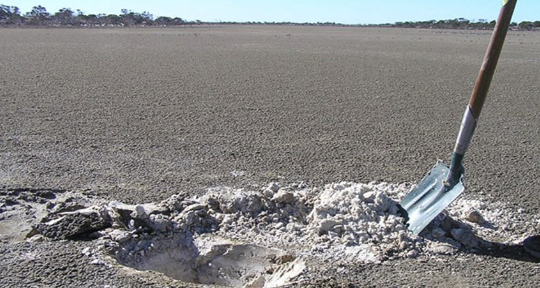
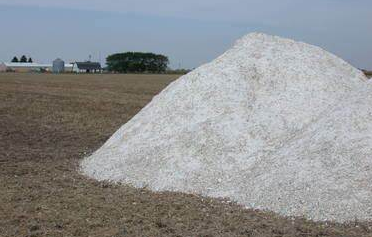
Image of silica sand using for sustainable development

Silica and gypsum are two natural resources that offer significant environmental benefits when used in various applications.

Silica

It is also known as silicon dioxide, is a versatile mineral that is widely available in nature. It has numerous environmental benefits when utilized in different industries. One of the key advantages of silica is its use in the production of solar panels. Silica is a crucial component in the manufacturing of photovoltaic cells, which convert sunlight into electricity. Solar energy is a clean and renewable source of power, and by using silica in solar panels, we can reduce our reliance on fossil fuels and decrease greenhouse gas emissions. Additionally, silica is commonly used as a desiccant, which helps to control moisture and humidity levels in various products and environments. By preventing excess moisture, silica can help prevent the growth of mold and mildew, which can have detrimental effects on indoor air quality and human health. This can be particularly beneficial in buildings, warehouses, and storage facilities.


Gypsum

It is a mineral composed of calcium sulfate. It also offers several environmental advantages. One of the primary uses of gypsum is in the construction industry, where it is has application as a building material. Gypsum-based products, such as drywall, provide excellent fire resistance and sound insulation properties. By using gypsum in construction, we can enhance the safety and comfort of buildings while reducing the need for energy-intensive materials.

Furthermore, gypsum has soil amendment properties. When applied to agricultural fields, gypsum helps improve soil structure, water infiltration, and nutrient availability. This can lead to increased crop yields and reduced soil erosion. By utilizing gypsum in agriculture, we can promote sustainable farming practices and reduce the need for synthetic fertilizers, which can have negative environmental impacts.

In conclusion, silica and gypsum offer significant environmental benefits in various applications. From their use in solar panels to improve energy efficiency and reduce greenhouse gas emissions, to their role in construction and agriculture, these natural resources contribute to a more sustainable and environmentally friendly future. By harnessing the potential of silica and gypsum, we can mitigate climate change, enhance resource efficiency, and promote a healthier planet for generations to come.

Understanding Gypsum:

Gypsum, a soft sulfate mineral, is abundant in nature and possesses unique properties that make it invaluable in numerous industries. Its main component, calcium sulfate dihydrate, lends gypsum its distinctive features such as fire resistance, sound insulation, and excellent binding capabilities. These properties have made gypsum an essential ingredient in construction materials like drywall, cement, and plaster. The widespread use of gypsum-based products helps reduce environmental impact, as gypsum is a natural and readily available alternative to more energy-intensive materials.

Harnessing Silica:

Silica, or silicon dioxide, is another versatile natural resource with immense potential for sustainable development. Silica has various forms, including quartz, sand, and diatomaceous Earth. Its exceptional properties, such as high heat resistance, hardness, and electrical conductivity, make it valuable in multiple industries. Silica finds applications in producing glass, ceramics, electronics, solar panels, and even as a catalyst in chemical processes. The abundance of silica in the Earth’s crust and its recyclability contribute to its sustainability, making it an ideal resource for future development.

Sustainable Construction:

Gypsum and silica play crucial roles in the construction industry, where sustainability is a growing concern. Gypsum-based materials offer advantages such as fire resistance, thermal insulation, and moisture control, reducing energy consumption and enhancing indoor air quality. Moreover, gypsum can be recycled and reused multiple times without significantly degrading its properties, minimizing waste and conserving resources. Silica-based materials, like energy-efficient glass and sustainable concrete additives, contribute to greener construction practices, improving energy efficiency and durability.

Environmental Remediation:

Beyond construction, gypsum and silica have applications in environmental remediation. Gypsum has proven effective in soil conditioning, improving fertility, and reducing erosion. Its ability to bind with heavy metals and reduce soil salinity makes it an environmentally friendly choice for land reclamation projects. Silica, on the other hand, has adsorbent properties that enable it to capture and remove pollutants from air and water. Silica-based materials like activated carbon and silica gel are widely used for air filtration and water treatment, contributing to cleaner environments.

Future Prospects:

As the world moves toward a more sustainable future, the utilization of gypsum and silica is expected to expand further. Ongoing research and innovation aim to enhance their properties, explore new applications, and optimize their extraction and processing methods to minimize environmental impact. From developing eco-friendly construction materials to advancing clean energy technologies, gypsum and silica are poised to play pivotal roles in sustainable development initiatives.

Gypsum and silica are natural resources that offer immense potential for sustainable development across various industries. Their unique properties, versatility, and recyclability make them valuable alternatives to resource-intensive materials. By incorporating gypsum and silica into construction practices, environmental remediation projects, and other applications, we can reduce the ecological footprint and move closer to a more sustainable and greener future. Embracing the potential of these natural resources is beneficial for industries and preserving the well-being of our planet and future generations.

Beyond Biomass: Exploring the Versatility of Lignin Valorization

What is lignin valorization?

Lignin valorization, the process of converting lignin into high-value products, offers a range of potential uses across various industries. Traditionally, lignin has considered a byproduct of biomass processing, often discarded or burned for energy generation. However, recent advancements in technology and research have uncovered the versatility of of lignin valorization, transforming it from a mere waste product into a valuable resource with many applications.

Lignin, a complex organic polymer, is one of Earth’s most abundant renewable resources. One idea to improve the effectiveness of the writing is to break up the text into shorter paragraphs to make it more readable and easier to digest. Another idea is to add more specific examples of how lignin valorization is implementing in different industries to help readers better understand its potential. Finally, it could be helpful to include some statistics or data on the environmental impact of lignin valorization and how it compares to traditional waste disposal methods or non-renewable resource utilization. It is found in the cell walls of plants and is primarily known for its role in providing structural support.

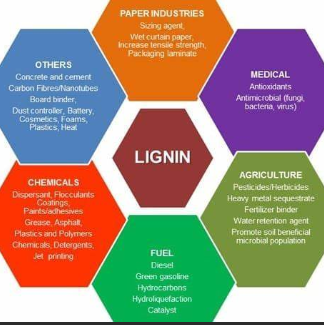
Image showing the versatility of lignin valorization

Applications

Here are some critical applications and versatility of lignin valorization:

Advanced Materials

Versatility of Lignin can transform into valuable materials with desirable properties. Lignin-derived compounds can produce bioplastics, resins, adhesives, and coatings. Also these lignin-based materials exhibit high strength, thermal stability, and UV resistance characteristics, making them suitable for applications in industries like automotive, construction, packaging, and consumer goods.

Biofuels and Chemicals:

Lignin can be a feedstock for producing biofuels and chemicals. Through depolymerization and further processing, lignin can convert into valuable compounds such as phenols, aromatics, and lignin-based monomers. These compounds can be precursors for producing biofuels, speciality chemicals, and even pharmaceuticals, reducing dependence on fossil fuels and contributing to a more sustainable and greener economy.

Carbon Fiber:

Lignin-based carbon fibre has emerged as a sustainable alternative to conventional carbon fibre production, which relies on petroleum-derived precursors. Lignin’s complex structure and carbon-rich composition make it an ideal candidate for carbon fibre production. Also Lignin-derived carbon fibre exhibits similar strength and lightweight properties, with the added advantage of reducing environmental impact and dependence on non-renewable resources. This has significant applications in aerospace, automotive, and sporting goods industries.

Agricultural Applications:

Lignin-based products is helpful in agriculture for various purposes. Lignin can use as a soil amendment, improving soil structure, water retention, and nutrient availability. It can also serve as a bio-based alternative to synthetic agrochemicals, reducing the use of harmful pesticides and fertilizers. Lignin-based films and coatings can enhance crop protection, seed germination, and post-harvest storage, contributing to sustainable agricultural practices.

Energy Storage:

Lignin-derived carbon materials show promise in energy storage applications. Similarly Lignin conversion is done into carbon materials with excellent electrochemical performance, high surface area, and good electrical conductivity. These lignin-derived carbon materials has application as electrode materials in energy storage devices like lithium-ion batteries and supercapacitors. We can develop more sustainable and efficient energy storage solutions by utilizing lignin in energy storage.

Water Treatment

Versatility of Lignin can be in water treatment applications. It is helpful as a natural adsorbent to remove pollutants and contaminants from water sources. Also Lignin-based materials can effectively capture heavy metals, dyes, and organic compounds, contributing to water and wastewater treatment process purification.

Personal Care and Cosmetics:

Lignin-derived compounds can be incorporated into personal care and cosmetic products. Lignin’s antioxidant and UV-absorbing properties make it suitable for sunscreen formulations, anti-aging creams, and hair care products. Additionally, lignin-based ingredients can enhance the sustainability profile of these products by providing a renewable and eco-friendly alternative to synthetic chemicals.

Lignin valorization presents many opportunities to utilize lignin, a previously underutilized byproduct, in various valuable applications. By harnessing the potential of lignin, we can promote sustainability, reduce waste, and develop innovative solutions across multiple industries.

Lignin Valorization and Sustainability

Lignin valorization plays a significant role in promoting sustainability in several ways:

Waste Reduction:

Mainly Lignin valorization allows for the utilization of lignin, traditionally considered a waste product in biomass processing. By converting lignin into valuable products, it reduces waste generation. It minimizes the environmental impact associated with its disposal or incineration.

Renewable Resource Utilization:

Lignin is derived from renewable biomass sources such as wood, agricultural residues, and dedicated energy crops. By valorizing lignin, we tap into the potential of a renewable resource, reducing reliance on non-renewable fossil fuels and finite resources.

Reduced Greenhouse Gas Emissions:

Lignin valorization helps mitigate greenhouse gas emissions by replacing fossil fuel-derived products and processes. Using lignin-based materials, biofuels, and chemicals can reduce carbon dioxide emissions and contribute to a more sustainable and low-carbon economy.

Substitution for Petrochemicals:

Lignin valorization offers the opportunity to replace petrochemical-derived products with lignin-based alternatives. Using lignin as a feedstock for producing materials, chemicals, and fuels reduces dependence on fossil fuels. It contributes to developing a bio-based and circular economy.

Energy Efficiency:

The conversion of lignin into valuable products through valorization processes can enhance overall energy efficiency. By optimizing lignin processing techniques and utilizing lignin-derived materials, we can reduce energy consumption and improve the sustainability of various industries.

Circular Economy:

Lignin valorization promotes the principles of a circular economy by closing the loop on biomass utilization. Instead of considering lignin a waste, it is transformed into valuable products, creating a more sustainable and circular system. Lignin-derived materials undergoes recycling or further processing, extending their lifecycle and reducing the need for virgin materials.

Sustainable Agriculture:

Lignin-based products can be utilized in agriculture to improve soil quality, reduce synthetic agrochemicals, and enhance crop protection. Therefore we promote sustainable and environmentally friendly farming methods by integrating lignin into agricultural practices.

Environmental Benefits:

Lignin valorization processes, such as depolymerization and conversion into high-value products, can lead to a lower environmental impact than traditional lignin disposal methods. It helps prevent lignin from ending up in landfills or being burned, which can release harmful pollutants into the environment.

Overall, lignin valorization contributes to sustainability by reducing waste, utilizing renewable resources, reducing greenhouse gas emissions, promoting a circular economy, and improving energy efficiency. By unlocking the potential of lignin and integrating it into various industries, we can achieve a more sustainable and environmentally conscious future.

Challenges And Strategies In Bio ethanol production

Strategies in Bioethanol Production

As the world continues to seek sustainable alternatives to fossil fuels, bioethanol has emerged as a promising solution. Derived from biomass sources such as corn, sugarcane, and agricultural waste, bioethanol offers numerous environmental benefits while reducing dependence on non-renewable energy sources. To maximize its potential, the bioethanol industry must employ effective strategies throughout production. This blog will explore key challenges and strategies in bio ethanol production that can drive towards a sustainable future.

Feedstock Diversification:

One essential strategy for bioethanol production is diversifying feedstock sources. By utilizing non-food feedstocks such as lignocellulosic biomass, algae, and agricultural residues, the industry can reduce competition with food crops and enhance the overall sustainability of the production process. These alternative feedstocks offer abundant availability, reduce environmental impacts, and contribute to rural development.

Advanced Enzyme Technology:

Improving enzymatic hydrolysis, breaking down complex carbohydrates into simple sugars, is crucial for maximizing ethanol yields. Advanced enzyme technology plays a pivotal role in enhancing the efficiency of this conversion process. Continuous research and development efforts focus on discovering and engineering more effective, robust, and economically viable enzymes. These advancements can significantly improve the yield and cost-effectiveness of bioethanol production.

Process Optimization:

Optimizing the fermentation process is another key strategy to enhance bioethanol production. By carefully controlling factors such as temperature, pH, nutrient availability, and agitation, producers can create optimal conditions for yeast or other microorganisms to convert sugars into ethanol. Genetically modified yeast strains can enhance ethanol tolerance and productivity, resulting in higher yields and improved process economics.

Integrated Biorefineries:

The concept of integrated biorefineries combines bioethanol production with the generation of other valuable products from biomass. Integrated biorefineries can enhance process efficiency and profitability by maximizing the utilization of all biomass components, such as lignin, cellulose, and hemicellulose. The co-production of bioethanol, biogas, biochemicals, and other value-added products improves resource utilization, reduces waste, and diversifies revenue streams.

Water and Energy Efficiency:

Efficient use of water and energy resources is crucial for sustainable bioethanol production. Implementing water recycling and reusing strategies can significantly reduce the water footprint of the process, mitigate water scarcity concerns, and minimize environmental impacts. Furthermore, integrating renewable energy sources, such as biomass combustion or solar power, can reduce reliance on fossil fuels, lower greenhouse gas emissions, and enhance the overall environmental performance of bioethanol production.

Process Integration and Optimization:

Integration and optimization of various process steps are vital for improving bioethanol production’s overall efficiency and economics. Process integration involves identifying opportunities for waste heat recovery, co-product utilization, and energy-efficient design. Continuous research and development also focus on optimizing the entire production chain, including biomass pretreatment, fermentation, distillation, and purification processes. These efforts minimize energy consumption, reduce costs, and enhance overall process sustainability.

Policy Support and Collaboration:

Effective policies and regulatory frameworks play a significant role in driving the growth and sustainability of bioethanol production. Governments can provide incentives, subsidies, and mandates for biofuel blending, research and development, and infrastructure development. Collaborative efforts between industry stakeholders, academic institutions, and research organizations are crucial for sharing knowledge, promoting innovation, and addressing everyday challenges.

Overcoming the Challenges of Bioethanol Production for a Sustainable Future

Bioethanol is a renewable fuel source that offers numerous environmental benefits and reduces dependence on non-renewable energy sources. However, despite its promise, bioethanol production faces significant challenges that must be overcome to ensure its sustainability. In this blog, we will discuss the considerable challenges of bioethanol production and explore strategies to overcome them.

Feedstock Availability:

The availability and sustainability of feedstocks are significant concerns for bioethanol production. Most bioethanol is produced from food crops such as corn, sugarcane, and wheat, which compete with food production. Moreover, using food crops as feedstocks can contribute to deforestation, water scarcity, and soil degradation. Diversifying feedstocks to non-food crops, agricultural residues, and forest residues can reduce competition with food crops, enhance sustainability, and promote rural development.

Feedstock Processing:

Another major challenge in bioethanol production is processing feedstocks into simple sugars. Cellulose, hemicellulose, and lignin are complex polymers requiring physical and chemical treatments to convert them into simple sugars. These treatments, such as mechanical and chemical pretreatment, can be costly, energy-intensive, and environmentally challenging. Developing innovative and sustainable technologies for feedstock pretreatment can enhance the efficiency of bioethanol production.

Fermentation Efficiency:

Fermentation is a crucial step in bioethanol production, where microorganisms such as yeast convert simple sugars into ethanol. However, fermentation efficiency can be affected by factors such as temperature, pH, nutrient availability, and inhibitory compounds in the feedstock. These factors can reduce ethanol yield, increase production costs, and impact environmental performance. Optimizing fermentation conditions, using genetically modified yeast strains, and developing new technologies can improve fermentation efficiency and reduce production costs.

Water and Energy Use:

Bioethanol production is energy-intensive and requires significant amounts of water and energy. Producing one gallon of ethanol can require up to three gallons of water, while the energy consumption can be as high as 30% of the final product’s energy content. Additionally, bioethanol production relies on fossil fuels, which can offset the environmental benefits of bioethanol. Implementing water recycling and reuse, reducing energy consumption through process optimization, and using renewable energy sources such as biomass combustion or solar power can enhance the environmental performance of bioethanol production.

Co-Product Utilization:

Bioethanol production generates several co-products, such as distiller grains, which are high-protein animal feed. However, utilizing these co-products can be challenging due to their composition, storage, and transportation. Developing markets and value chains for co-products, such as the production of biochemicals, bioplastics, or biomaterials, can enhance the economic viability of bioethanol production and reduce waste.

Policy Support:

Effective policies and regulatory frameworks can significantly promote the growth and sustainability of bioethanol production. Governments can provide incentives, subsidies, and mandates for biofuel blending, research and development, and infrastructure development. Moreover, effective policies can address environmental, social, and economic concerns related to bioethanol production.

Conclusion

Bioethanol production offers a sustainable alternative to fossil fuels and reduces greenhouse gas emissions. However, it is essential to ensure sustainability by overcoming the challenges of feedstock availability, feedstock processing, fermentation efficiency, water and energy use, co-product utilization, and policy support. Developing innovative and sustainable technologies, optimizing processes, and promoting collaborative efforts between industry stakeholders and policymakers can enhance the viability and sustainability of bioethanol production.

Conclusion:

The strategies outlined above highlight the potential for bioethanol production to significantly contribute to a sustainable energy future. By diversifying feedstocks, leveraging advanced enzyme technology, optimizing processes,

Stubble Burning and Climate Change: An Overlooked Contributor to Global Warming

Stubble burning is a common agricultural practice that involves setting fire to crop residue left after harvest. It has been used for centuries to clear fields and prepare for the next planting season. And so it contributes to global warming and climate change to a large extend. In this blog, we will explore the impacts of stubble burning on climate change. Also why it is an overlooked contributor to global warming.

Impacts

Stubble burning releases large amounts of carbon dioxide (CO2), methane (CH4), and other greenhouse gases into the atmosphere. These gases trap heat in the Earth’s atmosphere, causing global temperatures to rise and leading to environmental problems. The Intergovernmental Panel on Climate Change (IPCC) estimates that agriculture is responsible for around 25% of global greenhouse gas emissions, with a significant portion coming from stubble burning.

Air

The air quality in the exposed environment is seriously threatened by burning stubble. It should note that agricultural burning significantly lowers air quality since it releases gaseous and aerosol pollutants. The population under exposure to PM2.5 and PM10 is said to have the most significant impact on their health. The World Bank conducted a source apportionment study on PM2.5 for several Indian towns in 2001. They found that, in Delhi, Mumbai, Chandigarh, and Kolkata, respectively. Biomass burning contributes 9–28%, 23-29%, 24%, and 37–70% of the PM2.5 concentrations.

When comparing the burning and non-burning periods in Delhi in 2011. It was discovered that there was a 300 mg/m3 rise in PM2.5 concentration during the rice and wheat stubble-burning seasons, respectively. During the burning events, an increase in the hourly PM10 concentration. In Mandi-Gobindgarh city, Punjab, PM10 and PM2.5 concentrations rose by 86.7% and 53.2% for rice and wheat burning seasons in 2015. In Patiala city, they conducted a source apportionment analysis. And found that burning stubble contributes between 100 and 200 g/m3 of PM10 to the city’s air pollution.

Burning stubble is a significant source of air pollution in India, while not the leading cause. The composite emissions come from a mix of point and nonpoint sources. According to Sharma and Dhiskit (2016), these sources include businesses, power plants, automobiles, construction, and indoor pollution. In contrast to transportation emissions, which contain 17% PM2.5, 13% PM10, 53% NOx, and 18% CO, Guttikunda and Gurjar (2012) discovered that emissions from industrial sources contain 15% CO, 14% PM2.5, and 23% SO2. However, emissions from burning stubble are far less; they only include 14% CO and 12% PM2.5.

Soil

By burning the vital nutrients in the soil, stubble burning has negative impacts on soil production. And therefore its consequences on air quality. Additionally, it elevates the soil temperature to around 42 °C, which kills or displaces the significant soil microorganisms at a depth of about 2.5 cm. This results in an additional cost for compost or fertilizer to restore soil fertility. Burning snags depletes the soil of micronutrients and nitrogen, phosphorus, and potassium (NPK), three critical elements. For instance, burning rice stubble results in an annual loss of roughly 0.445 Mt of NPK. Burning wheat stubble results in an annual loss of 0.144 Mt. And burning sugarcane trash results in an annual loss of 0.84 Mt. 

Environment

Stubble burning also has significant environmental consequences. And it reduces soil fertility and degrades soil health Thus decreasing crop yields and requiring more effective use of synthetic fertilizers. This, in turn, leads to further greenhouse gas emissions and more significant environmental degradation.

Agricultural productivity

Burning crop residue has negative repercussions on the agriculture industry. Strong empirical support exists for the claim that air pollution impacts food output. Pollutants may have a direct or indirect impact on agricultural output. Injury to leaves, damage to grains, or heavy metal absorption are examples of direct consequences. Nitrogen oxide, for instance, can deteriorate and discolour plant tissue. Plant death might result from the production of acid rain, which has detrimental effects on soil and plants. Plants exposed to particle pollution for an extended period may develop chlorosis or bifacial necrosis. Creating conducive conditions for spreading diseases or pests is one example of an indirect effect. High concentrations of SO2 and NO2 are, for instance, conducive to the growth of insect aphids.

Mortality rates

In recent years, air pollution-related fatality rates have been steadily rising. For instance, between 1990 and 2015, the number of fatalities related to air pollution in South Asia grew from 1.1 million to 1.2 million. Residents of the Indo-Gangetic Plain regions were said to have a life expectancy roughly seven years lower than that of residents of other Indian regions. According to reports, the IGP saw an increase in air pollution of around 65% between 1998 and 2016, and particulate matter concentrations were twice as high as the national average. According to reports, PM2.5, in particular, is the deadliest of all pollutants, and nearly 50% of India’s population is exposed to it. To a high level of PM2.5 with a concentration above the WHO limit (35 µg/m3), while about 49% of the exposed population do not have access to good healthcare (Liu et al., 2018). 

Human Health and Well being

Numerous studies have shown a connection between air pollution and the risk of various health disorders, particularly in children, pregnant women, the elderly, and those with pre-existing conditions. Air pollution can cause severe neurological, cardiovascular, and respiratory conditions and skin and eye discomfort. It may have fatal consequences in certain circumstances, especially if the exposed victim already has respiratory issues. In certain situations, long-term exposure to high levels of air pollution can result in irreversible health damage, such as the onset of lung conditions, including cancer, emphysema, COPD, bronchitis, and capacity loss. Farmers who have been exposed to stubble smoke complain of eye and lung discomfort and have incurred high medical costs

Impacts on Economic growth

Air pollution negatively affects a nation’s economy and its adverse effects on health and the environment. Because a nation’s economic and technical advancements determine how well air pollution is managed, it follows that rising pollution has a variety of adverse effects on that nation’s economy. Due to the rise in air pollution over the past few years, Delhi has seen a 25–30% decline in visitors visiting the city. In 2018, the cost of air pollution to India’s economy ranged from 4.5 to 7.7% of GDP, and when extrapolated to 2060, the figure increased to around 15%. Air pollution also reduces workers’ productivity in other areas by making them ill and difficult to see.

According to the World Bank, in 2013, air pollution cost the global economy $225 billion, with poorer nations bearing the lion’s share of the burden. The Indian government estimated that managing air pollution and providing for its well-being would cost around $14 billion annually. 

Climate

The impact of stubble burning on climate change is particularly acute in developing countries such as India and China, where it is still a common agricultural practice. Burning crop residues in these countries contribute to air pollution, smog, and health problems for the local population. It also exacerbates climate change, as the large amounts of greenhouse gases released into the atmosphere increase global warming.

Image showing impacts of stubble burning to global warming and climate change

Due to the release of greenhouse gases like CO2 and CH4, which can potentially contribute to global warming, emissions from stubble fires directly impact weather and climate. According to statistics, the agricultural industry contributes between 17% and 32% of the world’s total yearly greenhouse gas emissions. In 2017, burning crop stubble resulted in emissions of 171.37 Tg of CO2, 0.706 Tg of CH4, and 0.073 Tg of N2O. India produces 658.823 Tg of CO2, equivalent or roughly 12.2% of the world’s greenhouse gas emissions. According to reports, the bad air quality and altered weather patterns contributed to India losing around 36% of its anticipated annual wheat yield in 2018.

Solutions

Despite these impacts, stubble burning remains a common practice in many parts of the world. This is partly due to the need for more affordable and sustainable alternatives and cultural and historical traditions. However, there are solutions available that can help to reduce the impact of stubble burning on climate change.

  • One solution is to encourage the adoption of conservation agriculture practices, such as zero-tillage and crop rotation, which reduce the need for stubble burning and help to build soil health. These practices can also help to reduce greenhouse gas emissions by sequestering carbon in the soil.
  • Another solution is to invest in renewable energy sources such as biogas and biofuels, which can be produced from crop residues and other agricultural waste. This reduces greenhouse gas emissions and provides clean energy for local communities.

Conclusion

In conclusion, stubble burning is an overlooked contributor to global warming and climate change, and it has significant impacts the environment, human health, and agricultural productivity. However, solutions available can help reduce the effect of stubble burning and promote sustainable farming practices. By investing in these solutions, we can help to mitigate the impacts of climate change and create a more sustainable future for all.

Translate »